

In Vitro Fertilization (IVF) Treatment
For some couples, the journey to parenthood is marred by multiple tries without success. If you and your partner have spent many months or years trying to start a family, perhaps it’s time to consider engaging with a fertility specialist at an fertility clinic to discuss one of the most effective fertility treatments: In Vitro Fertilisation (IVF).
IVF treatment in Singapore is a complex procedure that offers couples struggling with infertility a chance at conceiving. It involves retrieving female eggs from the body and fertilising them with sperm in the laboratory. The embryo(s) will then be transferred to the uterus for conception.

What is In Vitro Fertilisation (IVF)?
In vitro fertilisation (IVF) is a widely used fertility treatment in which eggs and sperm are combined outside the body in a controlled laboratory environment to create embryos. Once the embryos reach an appropriate stage of development, one or more are selected and transferred into the uterus with the goal of achieving pregnancy. IVF is commonly recommended for individuals experiencing infertility due to various causes, such as blocked fallopian tubes, male infertility, or unexplained issues. For those considering IVF in Singapore, this medical procedure provides a promising solution to help couples and individuals build their families.
What Does ICSI Stand For? IVF Specialist Explains
Intracytoplasmic Sperm Injection (ICSI) is a laboratory technique used in some IVF procedures in Singapore, especially when male factor infertility is a concern. Instead of mixing eggs and sperm together, a single sperm is selected and directly injected into an egg using specialised equipment. This helps support fertilisation in cases where sperm may have difficulty reaching or penetrating the egg naturally. ICSI is often considered when there are issues such as low sperm count, poor motility, or previous IVF cycles that did not result in fertilisation.
IVF In Singapore:
What Does The Process Look Like?
The IVF procedure is a comprehensive process that involves various stages to maximise the chances of a successful pregnancy. Here is a detailed step-by-step guide to what you can expect during IVF treatment in Singapore:
Step 1: Medication
The IVF process begins with ovarian stimulation, where the patient is prescribed Follicle-Stimulating Hormone (FSH) or other similar medications. These hormones encourage the ovaries to develop multiple follicles (each containing an egg) during a single menstrual cycle. This step is essential as it increases the number of eggs available for retrieval. Regular monitoring through blood tests and ultrasounds ensures that the ovaries respond well to the medications and that follicle growth is progressing as expected.
Step 2: Monitoring and Trigger Injection
Throughout the ovarian stimulation process, regular monitoring is crucial. Blood tests and ultrasound scans are performed to track the growth of ovarian follicles and the response to the medication. Once the follicles reach an ideal size and the eggs are ready for retrieval, a trigger injection of human Chorionic Gonadotropin (hCG) is administered. This injection induces ovulation and prepares the eggs for retrieval. Timing is vital, and precise coordination is required to ensure the eggs are retrieved at the right moment for optimal fertilisation.
Step 3: Egg Retrieval
Egg retrieval is a minimally invasive procedure conducted under light sedation to ensure the patient’s comfort. A thin needle, guided by ultrasound, is inserted through the vaginal wall and into the ovaries to collect the mature eggs. This procedure usually takes about 20-30 minutes, and women typically recover quickly afterwards. On the same day, a fresh sperm sample is collected from the partner or thawed from a previously stored sample for fertilisation. The collected eggs and sperm are then transferred to the laboratory for the next phase.
Step 4: Fertilisation
In the laboratory, the eggs and sperm are combined to facilitate fertilisation. Standard insemination is typically used, where sperm is placed in a dish with the eggs to allow natural fertilisation to occur. However, in cases of male infertility or poor sperm quality, Intracytoplasmic Sperm Injection (ICSI) may be used. In ICSI, a single sperm is injected directly into an egg to enhance fertilisation. After fertilisation, the eggs are placed in an incubator, which mimics the conditions of the human body to allow the embryos to develop.
Step 5: Embryo Development
The fertilised embryos are monitored closely for 2 to 5 days to assess their growth and development. During this period, the embryos are checked for optimal growth, and those that develop well are classified. At the blastocyst stage (usually on day 5), the embryos are evaluated based on their quality, and the best ones are selected for transfer. Any additional healthy embryos that are not selected for transfer can be frozen for future use. This gives patients the option to attempt another pregnancy later without having to undergo another egg retrieval cycle.
Step 6: Embryo Transfer
Embryo transfer is a crucial step in the IVF process. The selected embryo(s) are carefully transferred into the uterus using a thin catheter. This procedure is minimally invasive and typically does not require sedation. It is usually a quick and relatively painless process, though some women may experience mild discomfort. After the procedure, the patient is advised to rest briefly before resuming normal activities. The success of the embryo transfer largely depends on the quality of the embryos and the condition of the uterine lining.
Step 7: Pregnancy Test
About two weeks after the embryo transfer, a blood test is conducted to measure levels of hCG, the hormone produced during pregnancy. This test confirms whether implantation has occurred and whether pregnancy has been achieved. If the result is positive, an ultrasound scan is arranged a few weeks later to assess early pregnancy development and confirm that it is progressing appropriately.
IVF is one form of fertility treatment in Singapore couples may consider when facing difficulties conceiving. The process can involve emotional uncertainty as well as physical demands from medication and procedures. At our fertility clinic, patients are guided through each stage with clear explanations of results, next steps, and possible outcomes so they can make informed decisions about their care.
Additional Procedures Involved In IVF
In addition to the core steps of IVF, other procedures may be involved depending on individual circumstances and medical needs. These can include:
Pre-implantation Genetic Testing (PGT): For couples with a history of genetic disorders, PGT can be used to screen embryos for genetic conditions before implantation, increasing the chances of a healthy pregnancy.
Egg Donor or Sperm Donor: If there are issues with egg or sperm quality, egg or sperm donation may be considered. The donor’s eggs or sperm are used in the IVF procedure to create embryos.
Embryo Freezing For patients with excess healthy embryos, embryo freezing can provide an opportunity for future pregnancies without the need to undergo another full IVF cycle.
What Should You Expect From IVF Treatment?
Initial Consultation
Your IVF journey begins with an initial consultation at our IVF clinic in Singapore, where a specialist will review your medical history and recommend appropriate tests. This step ensures the treatment plan is tailored to your needs.
Personalised Treatment Plan
Based on your test results, a customised IVF treatment plan will be developed, detailing the steps, including medication schedules, monitoring, and procedures.
Ongoing Support
Throughout the process, you will receive guidance and support from our dedicated team. From managing medications to coping with emotional challenges, our goal is to ensure a smooth and reassuring experience.
Wondering About Our IVF Success Rates?
Based on our data from egg retrievals since 2016, we have achieved an overall pregnancy rate of approximately 60% with IVF. It’s important to note that starting IVF treatment earlier can improve your chances of success. Various factors, including age and personal health, influence these rates, so the figures serve as a general guide rather than a precise prediction for any individual case. We’re here to support you throughout your IVF journey and provide the most accurate information to help you make informed decisions.
What Are The Risks Of IVF Treatment?
While IVF treatment in Singapore offers many individuals and couples the possibility of parenthood, it’s important to understand the potential risks involved. These may vary depending on individual health, fertility history, and the specific protocols used during the IVF cycle.
In recent years, the Ministry of Health has expanded the list of genetic conditions approved for testing before embryos are implanted during IVF, allowing for broader screening in appropriate cases. This development supports couples who may carry inheritable conditions and are considering pre-implantation genetic testing as part of their treatment plan.
Ovarian Hyperstimulation Syndrome (OHSS)
Some individuals may respond strongly to fertility medications, causing the ovaries to swell and produce excess fluid. This can result in bloating, discomfort, and, in rare cases, more serious symptoms.
Multiple Pregnancy
Transferring more than one embryo increases the chance of twins or triplets, which carry higher risks during pregnancy and delivery. Your IVF specialist will help determine the most suitable number of embryos to transfer.
Side Effects from Medication
Hormone injections used during the stimulation phase can cause temporary side effects, such as mood swings, headaches, or abdominal cramping.
No Guarantee of Success
Not all IVF cycles result in pregnancy. Success rates are influenced by factors such as age, egg and sperm quality, and overall reproductive health.
Emotional and Physical Stress
The IVF process can be physically demanding and emotionally complex. Support from your care team, loved ones, or a counsellor can help you manage the highs and lows along the way.
Start Your Fertility Journey with an IVF Clinic in Singapore
Taking the first step toward building a family can feel overwhelming, but you don’t have to do it alone. Whether you’re exploring IVF treatment in Singapore, considering ICSI, or simply seeking clarity, our team is here to guide you. From initial consultation to embryo transfer and beyond, we’re committed to walking this path with you, one careful, considered step at a time.
Frequently Asked Questions About In Vitro Fertilisation (IVF) Treatment in Singapore
Are There Any Subsidies or Funding Available for IVF in Singapore?
Yes, eligible couples undergoing IVF at public healthcare institutions may receive government co-funding, subject to citizenship status and clinical criteria. Singapore Citizens and Permanent Residents may qualify for tiered subsidies for a limited number of fresh and frozen IVF cycles, with higher support typically available when both spouses are Singapore Citizens. Medisave can also be used within existing withdrawal limits to offset part of the treatment cost.
The Ministry of Health has reported sustained government expenditure on IVF subsidies over the past five years, reflecting continued support for eligible couples seeking assisted reproduction.
Are There Any Subsidies or Funding Available for IVF in Singapore?
IVF in Singapore may be suitable if you’ve been trying to conceive for a year or longer without success, or if other fertility methods like IUI treatment haven’t worked. It may also be considered for those with conditions such as blocked fallopian tubes, low sperm count, or unexplained infertility. Your suitability will be assessed during a detailed consultation with an IVF specialist in Singapore, who will recommend a treatment plan based on your health, history, and reproductive goals.
How do I know if IVF is right for me?
IVF in Singapore may be suitable if you’ve been trying to conceive for a year or longer without success, or if other fertility methods like IUI treatment haven’t worked. It may also be considered for those with conditions such as blocked fallopian tubes, low sperm count, or unexplained infertility. Your suitability will be assessed during a detailed consultation with an IVF specialist in Singapore, who will recommend a treatment plan based on your health, history, and reproductive goals.
Can IVF consultations be done virtually?
Virtual consultations may be offered for patients who wish to discuss concerns related to IVF in Singapore before attending an in-clinic appointment. These sessions allow individuals or couples to review medical history, understand the IVF procedure in Singapore, and ask general questions about treatment options. In-person visits are still required for examinations, tests, and procedures.
Is There an Age Limit for Undergoing IVF?
There is no age limit for undergoing the IVF procedure in Singapore. However, the decision to undergo the process should be considered on a case-by-case basis by an IVF specialist at an established clinic such as The O&G Specialist Clinic.
One important factor that needs to be taken into account when considering whether or not to undergo the IVF procedure in Singapore is the woman’s ovarian reserve. The ovarian reserve refers to the number of eggs a woman has in her ovaries, and it declines with age. So, if a woman’s ovarian reserve is low, then she may not be a good candidate for IVF because her chances of success may be lower. That being said, there are some instances where older women may still be able to conceive with the help of IVF. If you are considering undergoing the IVF procedure and are over the age of 40, it is advised that you consult with an experienced IVF specialist to discuss your options.
What Are the Chances of Conceiving with IVF?
IVF is a relatively common procedure, and it has been used to help millions of couples conceive children. Although success rates vary depending on a number of factors, including the age of the woman and the quality of her eggs, most couples who undergo IVF have a good chance of conceiving. In Singapore, IVF success rates tend to range from 50 to 60%, and most couples are able to get pregnant by their third cycle. If you are considering IVF, it is important to consult with an experienced IVF or gynae specialist at an accredited clinic to find out more about your specific chances for success.
What other fertility services does your clinic provide?
Alongside IVF treatment in Singapore, we offer additional services such as Intrauterine Insemination (IUI) and egg freezing. These options are designed to complement your fertility journey and provide greater flexibility in the long term.
Can we choose the sex of the embryo?
In Singapore, gender selection for non-medical reasons is not permitted under the law. However, if there are known genetic conditions linked to a specific sex, Preimplantation Genetic Testing (PGT) can be used to ensure the embryo is free of such conditions, but this does not allow for gender selection.
Is there something we can do to improve our chances of success in IVF fertility treatment?
While there is no guaranteed way to ensure success, there are steps that may improve the chances of IVF success. Maintaining a healthy lifestyle, such as eating a balanced diet, exercising regularly, and avoiding smoking or excessive alcohol, can support fertility. Additionally, closely following your fertility specialist’s advice regarding medications and lifestyle changes can help optimise your chances. Please contact us for personalised guidance on how to get started.
What should we take note of after the embryo transfer?
After embryo transfer, patients are advised to rest and avoid strenuous activities for a few days. It is essential to follow all post-transfer instructions provided by our fertility clinic. Some discomfort, such as mild cramping or bloating, is normal, but if you experience severe pain, bleeding, or other concerns, you should contact your clinic. A pregnancy test is scheduled about two weeks later to confirm whether implantation has occurred.
Can I implant more than 2 embryos for my first IVF?
In Singapore, the practice of transferring more than two embryos is generally discouraged due to the risk of multiple pregnancies, which can pose health risks to both the mother and babies. The number of embryos transferred will be determined by your fertility specialist based on your age, the quality of the embryos, and your medical history.
What is the cost of IVF treatment in Singapore?
The cost of IVF treatment in Singapore typically ranges from approximately S$10,000 to S$20,000 per cycle in a private setting, depending on medication dosage, laboratory procedures, and whether additional services such as pre-implantation genetic testing are required. Costs in public institutions may be lower after government subsidies, subject to eligibility criteria. As individual treatment plans differ, a personalised virtual consultation is necessary to provide an accurate estimate.
Our IVF Specialists
Our team of IVF specialists in Singapore provides care focused on assessment, treatment planning, and ongoing support throughout the IVF process. Each doctor is accredited and works closely with patients to discuss options based on medical findings and individual circumstances.

MBBS (S’pore), M.Med (O&G) (S’pore), FRACOG (Aust), FRCOG (UK), FAMS, Accredited IVF Specialist

MBBS (S’pore), MRCOG (UK), Accredited IVF Specialist

MBBS (UK), MRCOG (UK), Accredited IVF Specialist

MBBS (Singapore), MRCOG (UK), MMed (O&G), Consultant Obstetrician & Gynaecologist Specialist

MBBS (S’pore), MRCOG (UK), MMed (O&G), Accredited IVF Specialist

Senior Consultant, Obstetrician & Gynaecologist, MBBS (S’pore), MRCOG (UK), FAMS, OGSS, RCOG, SCCPS, APAGE, AAGL
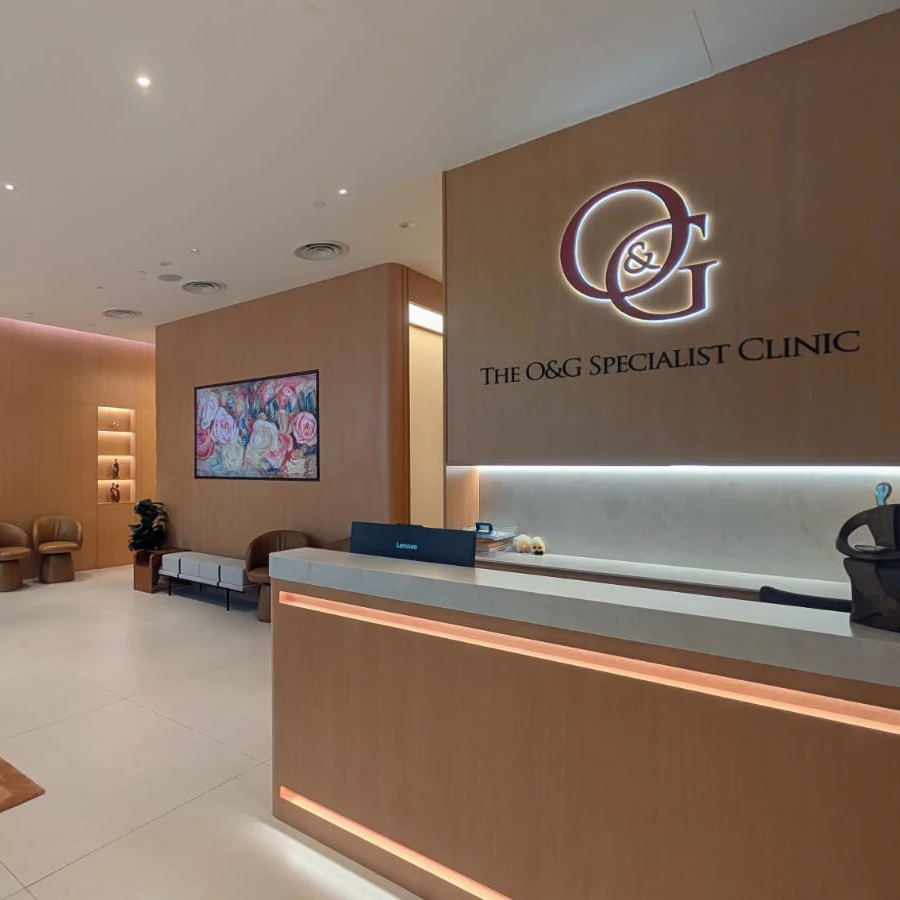
Our IVF Clinics in Singapore
Here at O&G Specialist Clinic, we offer IVF consultations and treatment services across multiple clinic locations in Singapore. Patients may choose a clinic based on convenience and appointment availability, while receiving the same standard of clinical care and consultation process.
Novena Medical Center
- 10 Sinaran Drive #11-17/ #11-18 Singapore 307506
- (65) 6259 1819
Thomson Medical Centre
- 339 Thomson Road #06-05 A Singapore 307677
-
339 Thomson Road #05-06
(Closed for Maintenance) Singapore 307677 - (65) 6518 4919
Mount Alvernia Hospital
- 820 Thomson Road, Mount Alvernia Hospital, Medical Centre D #08-60, Singapore 574623