Key Takeaways:
- Chronic stress can interfere with hormone regulation, leading to irregular menstrual cycles, disrupted ovulation, and reduced sperm quality.
- Emotional health conditions like anxiety or depression may impact reproductive function and could lower the chances of pregnancy even with medical assistance.
- Long-term stress may contribute to reproductive disorders and inflammation, which can affect the quality of reproductive cells and the likelihood of a healthy pregnancy.
- Lifestyle strategies, such as regular sleep, balanced nutrition, physical activity, and mindfulness techniques, may help manage stress and support reproductive health.
Introduction
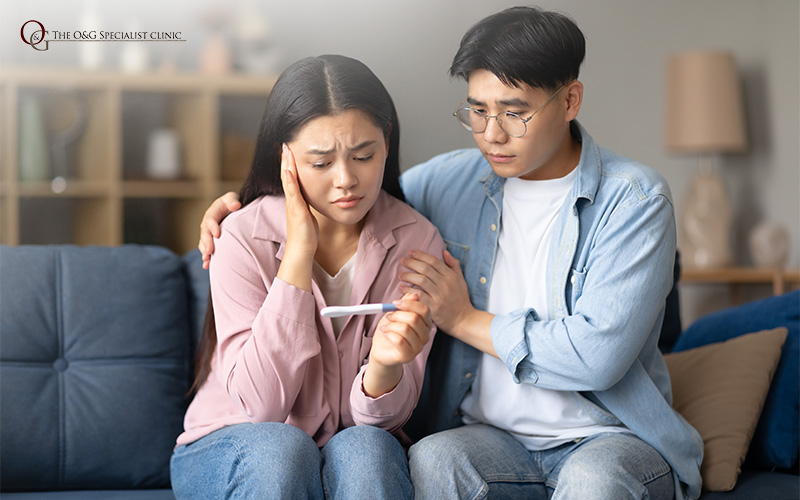
Stress is a common part of life, but its effects on the body can extend beyond what many might expect, particularly concerning reproductive health. The connection between stress and fertility is complex and not always well understood. For those hoping to conceive, ongoing stress may disrupt hormonal balance, affect ovulation, and influence sperm health. Mental health conditions such as anxiety and depression can also play a role, potentially making conception more challenging, even with assisted methods.
Recognising how stress may affect the reproductive system can offer clarity during what is often an emotionally difficult time. In this article, we explore the ways stress can influence fertility and share approaches that may support both physical and emotional well-being along the way.
How Does Stress Affect Hormonal Balance?
The body’s response to stress involves the release of cortisol, a hormone that helps manage short-term threats or pressure. However, when stress is ongoing, elevated cortisol levels may interfere with the balance of other hormones involved in reproduction. In women, this can affect oestrogen and progesterone levels, sometimes leading to irregular menstrual cycles or delayed ovulation. Whereas in men, stress may impact testosterone levels, which can influence sperm development.
In some situations, these hormonal shifts may be linked to conditions such as polycystic ovary syndrome (PCOS) or thyroid imbalances. These health issues can complicate the process of trying to conceive. For individuals who are concerned, a consultation at a fertility clinic may help clarify the potential impact of stress and fertility and offer guidance on possible next steps.
What Impact Does Stress Have on Ovulation and Sperm Health?
The effects of stress go beyond hormonal changes; it can also influence the health of reproductive cells. In women, elevated stress levels may lead to anovulation, a condition where the ovaries do not release an egg during the menstrual cycle. Without ovulation, natural conception cannot occur.
In men, ongoing stress may lower sperm count and motility, and may also impact sperm shape and genetic integrity. These changes can reduce the likelihood of conception and may influence the outcomes of assisted reproductive techniques. Research suggests that stress may even play a role in embryo implantation, potentially affecting the success of treatments such as the IVF procedure.
Can Emotional Well-being Influence Fertility?
Mental health conditions such as anxiety and depression may add complexity to the journey of trying to conceive. These conditions can disrupt the body’s natural rhythms and affect the hormonal signals that support ovulation and sperm development. Even when assisted reproductive options are available, elevated stress levels can influence how the body responds, sometimes affecting treatment outcomes.
Emotional well-being also plays a role in relationship dynamics and intimacy. Lower libido or reduced sexual activity, often associated with anxiety or low mood, may further reduce the chances of conception. For some individuals or couples, integrating psychological support into their care can be a meaningful step. Understanding the connection between stress and fertility underscores the importance of looking after both physical and emotional health during this time.
What Are the Long-Term Effects of Chronic Stress on Reproductive Health?
Chronic stress, when experienced over an extended period, may contribute to the development of certain reproductive conditions. While research is ongoing, some studies suggest that prolonged stress exposure could be linked to conditions such as endometriosis or fibroids, both of which may affect fertility.
Elevated cortisol levels associated with stress may also influence body weight, and challenges in maintaining a stable weight can have an impact on reproductive function in both women and men. Inflammation connected to long-term stress may affect the quality of eggs or sperm, which can influence the likelihood of pregnancy, even when conception takes place.
For those exploring fertility preservation, including options like egg freezing, managing stress may be a vital part of supporting reproductive health over time.
What Are Some Ways to Reduce Stress and Support Fertility?
Managing stress is an integral part of caring for reproductive and overall health. Establishing a regular sleep routine can help regulate hormone cycles and support the body’s recovery processes. Engaging in moderate physical activity, such as walking, swimming, or yoga, may help lower cortisol levels and support emotional balance.
Nutrition also plays a meaningful role. Including foods rich in folate, zinc, omega-3 fatty acids, and other essential nutrients may contribute to hormone function and the health of eggs or sperm. For those navigating anxiety or low mood, speaking with a counsellor or therapist can offer a safe space to explore emotions and develop coping strategies.
Mindfulness techniques, including guided breathing, meditation, or relaxation exercises, can be beneficial in reducing the physical and emotional effects of stress. These practices may bring a sense of steadiness during the ups and downs of the fertility journey. Recognising the relationship between stress and fertility allows space for practical steps that support both body and mind.

Looking Ahead: Seeking Support and Exploring Your Options
Understanding the connection between stress and fertility can help individuals and couples make informed choices about their reproductive and emotional well-being. While stress may not be the sole reason for fertility challenges, it can contribute to the complexities involved in trying to conceive.
At The O&G Specialist Clinic, we recognise that each journey is personal. Whether you are beginning to explore your fertility or considering assisted options, our team is here to provide respectful and thoughtful care.
Schedule a consultation to learn more about the fertility options that may suit your needs.