Key Takeaways:
- Ongoing bloating that occurs without a clear dietary reason can sometimes be linked to hormonal changes or conditions affecting reproductive health.
- Health issues such as PCOS, endometriosis, or ovarian cysts may contribute to abdominal fullness and discomfort alongside other symptoms.
- Digestive factors, such as food sensitivities and bowel-related conditions, can overlap with gynaecological causes, making it helpful to observe patterns over time.
- Persistent bloating that worsens or appears with pain, weight changes, or altered bowel habits may need further evaluation to rule out more serious causes.
Introduction
It is common to feel a heavy or full sensation in the abdomen occasionally, especially after a large meal. When this feeling becomes frequent and occurs without a clear link to food, it can sometimes suggest that other factors may be contributing to the issue. For some women, frequent bloating may be associated with hormonal changes or conditions that impact reproductive health.
Gaining a clearer understanding of what might cause frequent bloating can be reassuring and can guide decisions about when to seek further assessment. In this article, we explore potential reasons for frequent bloating, its relationship to reproductive health, and signs that may indicate it’s time to seek medical advice.
How Can Hormonal Fluctuations Contribute to Bloating?
In the days leading up to a period, changes in oestrogen and progesterone can cause the body to retain more water, resulting in a tight or swollen feeling in the lower abdomen. For many, this eases once the period begins, but for others, it can persist or intensify from month to month. If these hormonal changes become uncomfortable or start affecting daily life, consulting a doctor at a gynae clinic can help clarify whether this pattern is part of a normal cycle or linked to another undelying cause.
Could Polycystic Ovary Syndrome Be Affecting Your Symptoms?
Polycystic Ovary Syndrome (PCOS) can affect how the ovaries function by altering hormone balance and interfering with ovulation. In addition to irregular periods, some people experience frequent bloating, which may occur together with changes such as acne or gradual weight gain. Paying attention to how these symptoms develop over time and discussing them with a doctor can provide clearer insight into whether PCOS might be contributing.
What Role Do Endometriosis and Ovarian Cysts Play?
Endometriosis and ovarian cysts can both create a sense of pressure or fullness in the lower abdomen. Endometriosis happens when tissue similar to the lining of the womb grows in places where it does not belong, which can sometimes lead to pain and bloating. Ovarian cysts, fluid-filled sacs that form in the ovary, may cause similar discomfort, especially if they grow larger or rupture. When they continue to cause symptoms or complications, removal of the cysts may be recommended after proper assessment.
Could It Simply Be Linked to Digestive Sensitivities?
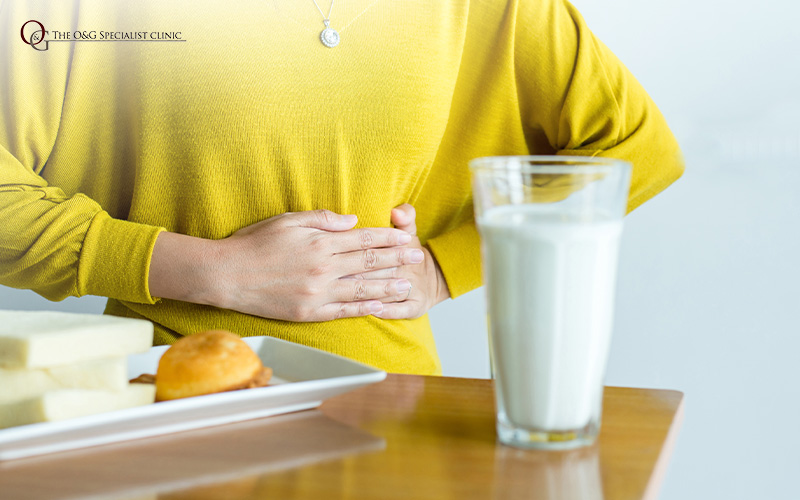
Bloating does not always come from gynaecological causes. Digestive conditions such as lactose intolerance, coeliac disease, or irritable bowel syndrome (IBS) can also lead to discomfort and swelling in the abdomen. Because these symptoms often overlap with those linked to hormonal changes, it can sometimes be hard to tell them apart. Noting when symptoms appear and what foods have been eaten can help reveal whether digestion might be playing a part.
When Does Bloating Point to Something More Serious?
Occasional bloating is common, but when it becomes persistent, worsens over time, or is accompanied by pain, changes in bowel habits, or unexplained weight changes, it may require closer attention. Conditions such as fibroids and, less often, ovarian cancer, can sometimes present with these symptoms. If fibroids are identified as the cause of ongoing discomfort, surgical removal of uterine fibroids may be considered. Having symptoms checked early can help clarify the cause and guide further action.

Taking the Next Step
Frequent bloating can arise from various factors, including hormonal changes, digestive sensitivities, and conditions affecting the reproductive system. Noting when it happens and how it relates to your menstrual cycle, diet, and daily habits can sometimes make the patterns easier to see.
When bloating starts to interfere with daily comfort or new symptoms appear, arranging a consultation with a healthcare professional can help rule out more serious causes and guide you on what to do next.
The O&G Specialist Clinic in Singapore offers consultations for individuals who wish to understand more about concerns such as irregular cycles, pelvic pain, persistent bloating, fertility issues, and other conditions affecting the uterus and ovaries. Appointments are focused on listening to your concerns, discussing suitable investigations if necessary, and considering approaches that may help manage or address the problem.
If frequent bloating has been troubling you and you are uncertain about its cause, book a consultation with us today to discuss your symptoms and explore the options available to you.