Understanding Ovarian Cysts
Ovarian cysts are fluid-filled sacs that develop on or within an ovary. Many are harmless and go away on their own, but some may cause discomfort or complications. If you notice sudden pelvic pain, bloating, or changes in your menstrual cycle, these could be signs of an ovarian cyst rupture. In some cases, a burst cyst may lead to more serious symptoms such as dizziness or heavy bleeding. Recognising ruptured ovarian cyst symptoms early can help you decide when to seek medical advice. For persistent or problematic cases, ovarian cyst removal may be recommended to prevent future complications.

Types of Ovarian Cysts
Ovarian cysts can vary in type, size, and cause. Some are linked to the menstrual cycle, while others develop independently. Understanding the different types can help when discussing symptoms, such as pelvic pain or signs of ovarian cyst rupture, with your healthcare provider.
Functional Ovarian Cysts
These are the most common type and form as part of the ovulation process. They are typically harmless and tend to resolve on their own.
Follicular cysts:
These occur when a follicle fails to release an egg and instead fills with fluid.
Corpus luteum cysts:
After ovulation, the follicle usually dissolves, but it may fill with fluid and form a cyst instead.
Other Ovarian Cysts
These cysts are unrelated to ovulation and may require closer monitoring or even cyst removal if they cause complications.
Cystadenomas:
Fluid-filled growths on the ovary’s surface.
Dermoid cysts (teratomas):
Made of cells similar to hair, skin, or teeth.
Endometriomas:
Linked to endometriosis, these cysts contain old menstrual blood.
Ovarian cancer cysts:
Solid growths that require further investigation, particularly after menopause.
Symptoms
Recognising Symptoms of a Ruptured Ovarian Cyst
While many ovarian cysts break open without causing any issues, a ruptured cyst can sometimes lead to noticeable and uncomfortable symptoms. Being aware of these warning signs is crucial, especially if the cyst is large or causing pain. If you notice any of the following, it may indicate signs of an ovarian cyst rupture, and you should seek medical attention promptly.
Sudden, sharp pelvic pain, often on one side
Abdominal bloating or tenderness
Dizziness or light-headedness
Weakness or fatigue
Unusual vaginal bleeding
If the symptoms become severe or persistent, our specialist may consider further evaluation or recommend cyst removal to reduce the risk of recurrence.
What Can Cause a Ruptured Ovarian Cyst?
A ruptured ovarian cyst occurs when a cyst breaks open, releasing its contents into the pelvic cavity. While some cysts rupture without warning, others may be triggered by certain activities or conditions. Understanding the possible causes can help you recognise when symptoms, such as pelvic pain or signs of ovarian cyst rupture, may need medical attention. In cases where cysts continue to cause complications, cyst removal may be considered.
Ovulation
Functional cysts often develop and rupture naturally during the menstrual cycle, especially when an egg is released from the ovary.
Physical Activity
Sudden or intense movements, such as vigorous exercise or sexual intercourse, can sometimes put pressure on a cyst and cause it to rupture.
Trauma or Injury
Direct trauma to the abdomen, including from a fall or accident, may lead to a ruptured ovarian cyst.
Rapid Cyst Growth
Larger cysts have a higher chance of rupturing due to the tension caused by their size and position on the ovary.
Hormonal Fluctuations
Changes in hormone levels, particularly those related to fertility treatments or menstrual irregularities, can influence cyst formation and increase rupture risk.
Our specialist can help assess your condition and guide decisions around monitoring or surgical removal of ovarian cysts where appropriate.
How Ovarian Cysts Are Diagnosed
If you’re experiencing pelvic discomfort, bloating, or unexpected changes in your cycle, our specialist may assess for the presence of an ovarian cyst. Diagnosis typically involves ruling out other conditions first and then confirming the presence of a cyst. In some cases, recognising the signs of ovarian cyst rupture, such as sudden, sharp pain, can help guide urgent care decisions. Here’s how diagnosis is usually carried out:
Pelvic Examination
Our specialist will perform a physical exam to feel for any abnormalities in the pelvic area. This helps detect possible swelling or masses that could suggest a cyst.
Ultrasound Imaging
An ultrasound is often used to confirm the presence of a cyst. This imaging test uses sound waves to create detailed images of the ovaries and surrounding tissue. It can reveal the cyst’s size, shape, and whether it’s fluid-filled or solid, as well as help identify signs of ovarian cyst rupture, such as free fluid in the pelvic cavity.
Laparoscopy
If imaging is inconclusive or if symptoms persist, our specialist may recommend a laparoscopy. This involves inserting a small camera through a tiny incision in the abdomen to view the ovaries directly. If a cyst is found, it may be removed during the same procedure.
Types of Ovarian Cyst Removal Surgery
When an ovarian cyst is significant, persistent, causing symptoms, or raises concerns about cancer, our specialist may recommend surgical removal. There are two main approaches, both done under general anaesthesia, and the choice depends on the cyst’s size, type, and potential risks.
Laparoscopy (Keyhole Surgery)
Most ovarian cysts can be removed using minimally invasive laparoscopic surgery. This procedure involves making a few small cuts in the abdomen and inflating the pelvic area with gas. A laparoscope, fitted with a light and camera, allows our specialist to view and remove the cyst through these small incisions. Recovery is typically quick, and most individuals can return home on the same day or the next.
Laparotomy (Open Surgery)
If the cyst is very large or there is concern it may be cancerous, a laparotomy may be advised. This involves a single, larger abdominal incision to allow better access. The cyst and, sometimes, the ovary are removed and sent for laboratory analysis. A hospital stay of a few days may be needed after the procedure.
What to Expect During an Ovarian Cyst Operation
If you’re preparing for the removal of a cyst in the ovary, knowing what happens during the procedure can help reduce uncertainty. The approach taken will depend on the size and type of the cyst, whether there are signs of ovarian cyst rupture, and whether there are concerns about complications. Here’s what to expect:

Pre-Surgery Preparation
Before the operation, you’ll be placed under general anaesthesia. Our specialist may perform a final assessment or imaging scan to confirm the location and size of the cyst.
Surgical Approach
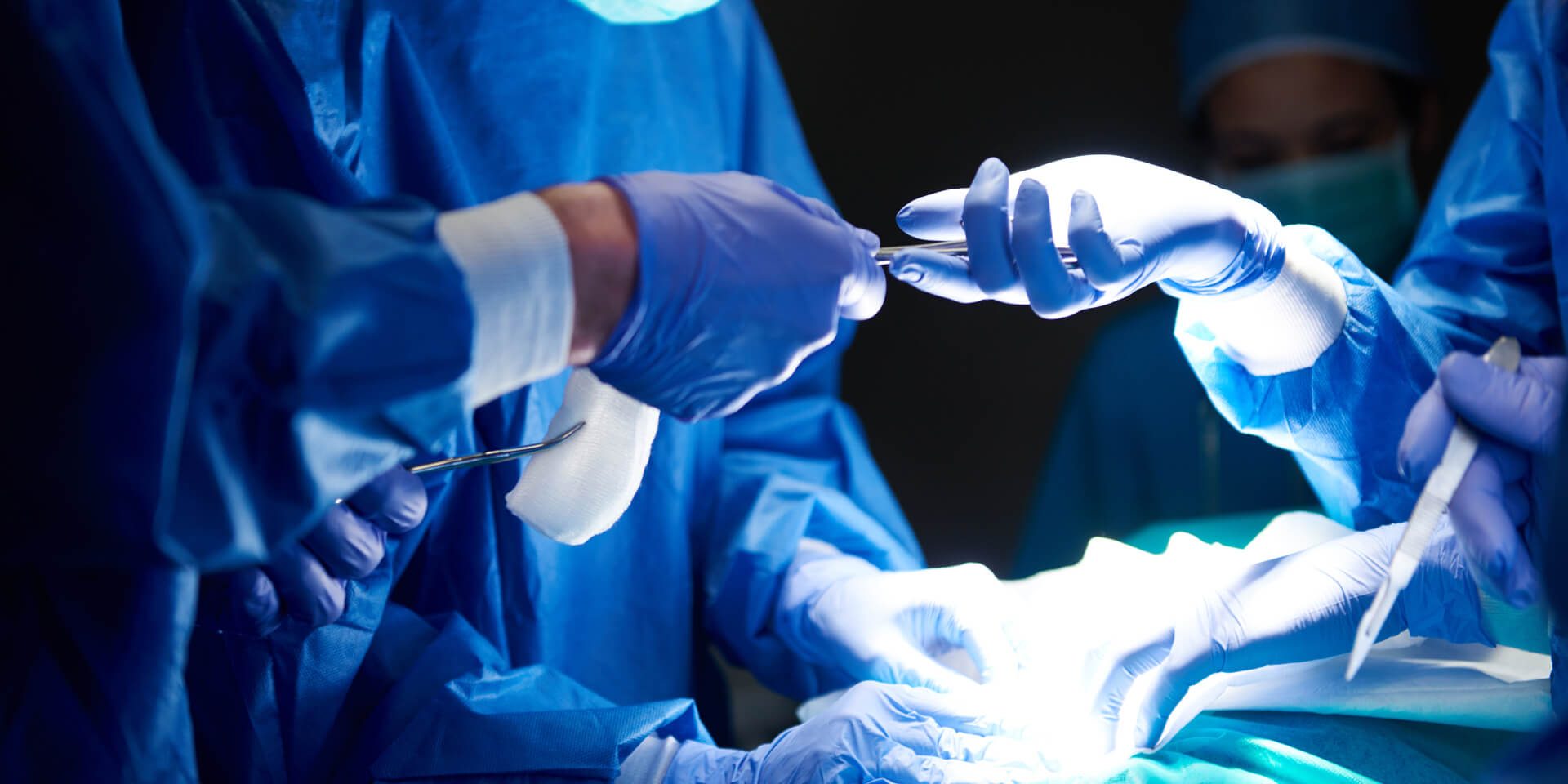
Most ovarian cysts are removed via laparoscopy. This involves making small incisions in the abdomen and inserting a laparoscope (a thin tube with a camera) to view the ovaries. The cyst is then carefully removed. In more complex cases, such as when cancer is suspected or the cyst is very large, a laparotomy with a larger incision may be needed.

Cyst Removal and Inspection
During the procedure, the cyst will be separated from the ovary. If the cyst has already burst, our surgeon will also remove any remaining fluid and inspect the surrounding tissues for any damage. The removed tissue may be sent to a lab for analysis.

Closing and Recovery Monitoring
After cyst removal, the incisions are closed with dissolvable stitches. You’ll be monitored in recovery for a few hours before discharge. If the operation requires a larger incision, a shorter hospital stay may be necessary.
Understanding the Risks of Ovarian Cyst Removal
Like any surgical procedure, the removal of a cyst in the ovary carries certain risks. While complications are not common, it’s essential to be aware of potential issues that may arise during or after surgery. Our specialist will discuss these risks with you in detail before proceeding, taking into account your medical history and the type of procedure recommended.
Infection
There is a small risk of infection at the incision site or internally. Symptoms such as fever, pain, or unusual discharge may indicate infection and should be reported promptly.
Bleeding
As with most surgeries, there is a risk of bleeding during or after the operation, which may require additional monitoring or treatment.
Injury to Surrounding Organs
During cyst removal, nearby structures such as the bladder, bowel, or blood vessels may be affected. Although rare, this risk increases in more complex surgeries.
Ovarian Tissue Loss
Depending on the cyst’s size or location, part or all of the ovary may need to be removed. This could affect hormone levels or fertility, particularly if both ovaries are involved.
Scar Tissue Formation
Scar tissue (adhesions) may form around the ovary or other pelvic organs, sometimes leading to discomfort or fertility issues later on.
Our specialist will help you weigh these risks against the benefits of treatment and guide you through a safe and informed recovery process.
Possible Complications of Ovarian Cyst Removal
While most people recover well after ovarian cyst removal, complications can occasionally arise. These may vary depending on the type of surgery performed, the location and size of the cyst, and individual health factors. Understanding the possible complications can help you recognise early signs and know when to seek follow-up care.
Postoperative Pain
Some discomfort is expected after surgery, but persistent or worsening pain may suggest internal irritation or another issue requiring further assessment.
Delayed Healing or Wound Issues
Incision sites may take longer to heal in some individuals, especially if there is infection, swelling, or excess bleeding.
Internal Bleeding
In rare cases, bleeding may occur inside the abdomen after surgery. This can lead to dizziness, weakness, or swelling and may require additional intervention.
Blood Clots
Like many surgical procedures, the risk of blood clots in the legs or lungs (deep vein thrombosis or pulmonary embolism) is present, particularly after prolonged periods of inactivity.
Complications with Anaesthesia
Although uncommon, some people may react to general anaesthesia, experiencing nausea, breathing difficulty, or allergic reactions.
Damage to Surrounding Organs
There is a small risk of accidental injury to nearby organs such as the bladder, bowel, or ureters during the procedure, especially in cases involving large or complex cysts.
Our specialist will discuss these possibilities with you before surgery and provide instructions on how to monitor for any concerns during recovery.
Can Ovarian Cysts Be Prevented?
Most ovarian cysts develop as part of the normal menstrual cycle and cannot always be prevented. In some cases, hormonal medications that stop ovulation may lower the chances of certain cysts forming or coming back. However, these medications are not suitable for everyone and are usually considered when cysts occur frequently or cause ongoing symptoms.
Rather than focusing solely on prevention, it is helpful to pay attention to any changes in your body. Signs of ovarian cyst rupture, such as sudden pelvic pain or unusual bleeding, should be reviewed by a medical professional. Regular pelvic examinations can help identify cysts that need further monitoring or treatment. If a cyst causes complications or does not resolve, cyst removal may be considered. Staying aware of symptoms and attending routine check-ups is a practical approach to managing ovarian health over time.
Frequently Asked Questions
Do ovarian cysts reduce the chances of natural conception?
Certain ovarian cysts, such as those linked to endometriosis or hormonal conditions, may impact ovulation and reduce the chances of natural conception. Others, such as functional cysts, are typically temporary and do not impact fertility.
Is surgery the only option for treating ovarian cysts?
Not always. Many ovarian cysts resolve naturally without the need for intervention. However, surgical treatment for ovarian cysts may be required if symptoms persist, the cyst grows, or if there are signs of ovarian cyst rupture, such as sudden sharp pain or internal bleeding. A healthcare provider can help assess whether surgery is necessary.
Will surgery for an ovarian cyst improve my fertility?
If a cyst is affecting ovarian function or causing symptoms, our specialist may suggest removal. The decision will depend on your symptoms, the type of cyst, and your plans for fertility.
Can cysts return after removal?
Yes, new cysts can form even after a previous ovarian cyst has been removed. The removal of a cyst in the ovary treats the current growth, but it does not prevent future cysts from developing. Regular follow-up can help monitor your condition and address any recurrence early.
Our Specialist

MBBS (S’pore), M.Med (O&G) (S’pore), FRACOG (Aust), FRCOG (UK), FAMS, Accredited IVF Specialist

MBBS (S’pore), MRCOG (UK), Accredited IVF Specialist

MBBS (UK), MRCOG (UK), Accredited IVF Specialist

MBBS (Singapore), MRCOG (UK), MMed (O&G), Consultant Obstetrician & Gynaecologist Specialist

MBBS (S’pore), MRCOG (UK), MMed (O&G), Accredited IVF Specialist

Senior Consultant, Obstetrician & Gynaecologist, MBBS (S’pore), MRCOG (UK), FAMS, OGSS, RCOG, SCCPS, APAGE, AAGL