Intrauterine Insemination (IUI) Treatment Singapore
If you or your partner has been diagnosed with unexplained infertility, male fertility issues or hostile cervical mucus, one such fertility treatment to support couples trying to conceive is Intrauterine Insemination (IUI).
IUI treatment in Singapore entails implanting the prepared sperm sample from your partner or donor through the cervix (the neck of the womb) and into the uterus. This procedure is performed during ovulation to achieve the highest possibility of fertilisation, thus improving the chances of pregnancy.
What is IUI Treatment?
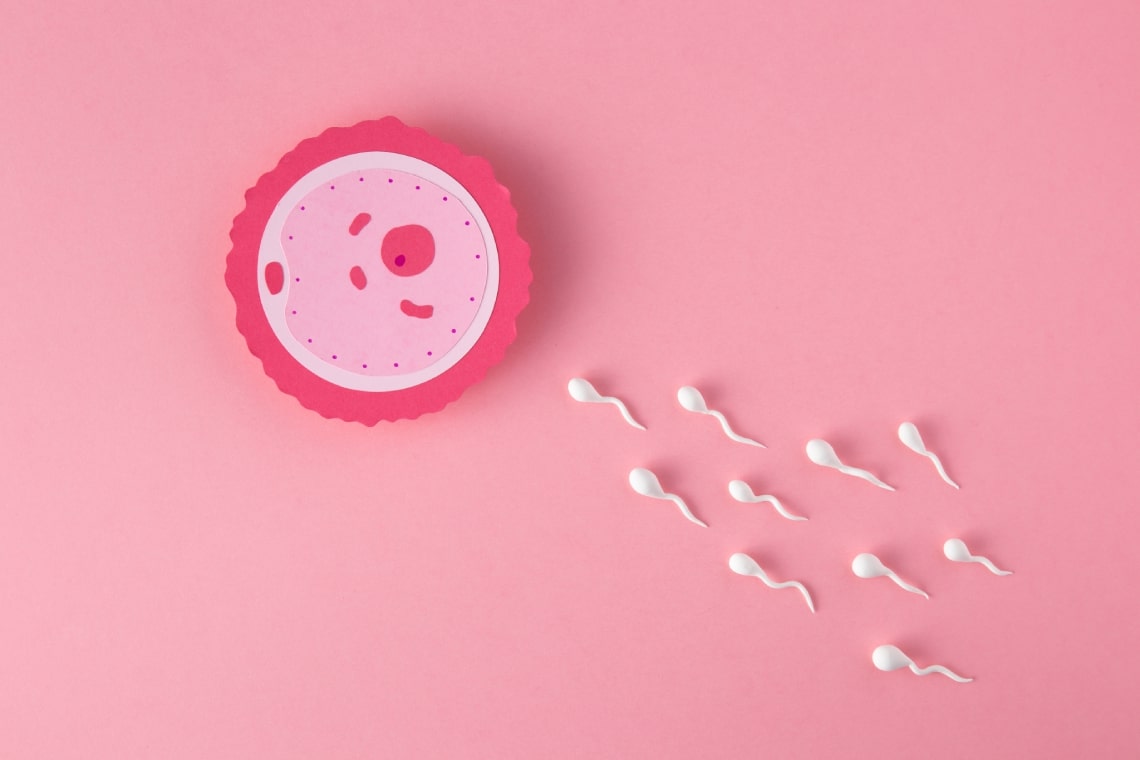
Intrauterine insemination (IUI) is a widely used fertility treatment aimed at helping couples who face challenges conceiving naturally. The IUI procedure involves placing sperm directly into the uterus around the time of ovulation, ensuring a more direct path for the sperm to reach the egg. This bypasses potential obstacles such as cervical mucus issues or low sperm motility, enhancing the chances of successful fertilisation. IUI is often recommended for couples dealing with mild male infertility, unexplained infertility, or ovulation disorders. The treatment is minimally invasive and usually performed without the need for sedation. For many, IUI is a less complex and more affordable alternative to other fertility treatments like in vitro fertilisation (IVF).
How Does IUI Differ from IVF?
While both IUI fertility treatment and in vitro fertilisation (IVF) aim to address infertility, there are significant differences in the procedures and their applications.
Procedure Complexity: IUI is a simpler process involving the direct insertion of sperm into the uterus, whereas IVF includes multiple steps such as ovarian stimulation, egg retrieval, fertilisation in a lab, and embryo transfer.
Preparation and Timing: The IUI treatment process focuses on monitoring the menstrual cycle to time the procedure accurately. IVF requires hormonal preparation to produce multiple eggs for fertilisation.
Applications: IUI is ideal for milder fertility issues, while IVF is suited for more complex challenges like blocked fallopian tubes or failed previous treatments.
Why is IUI Performed?
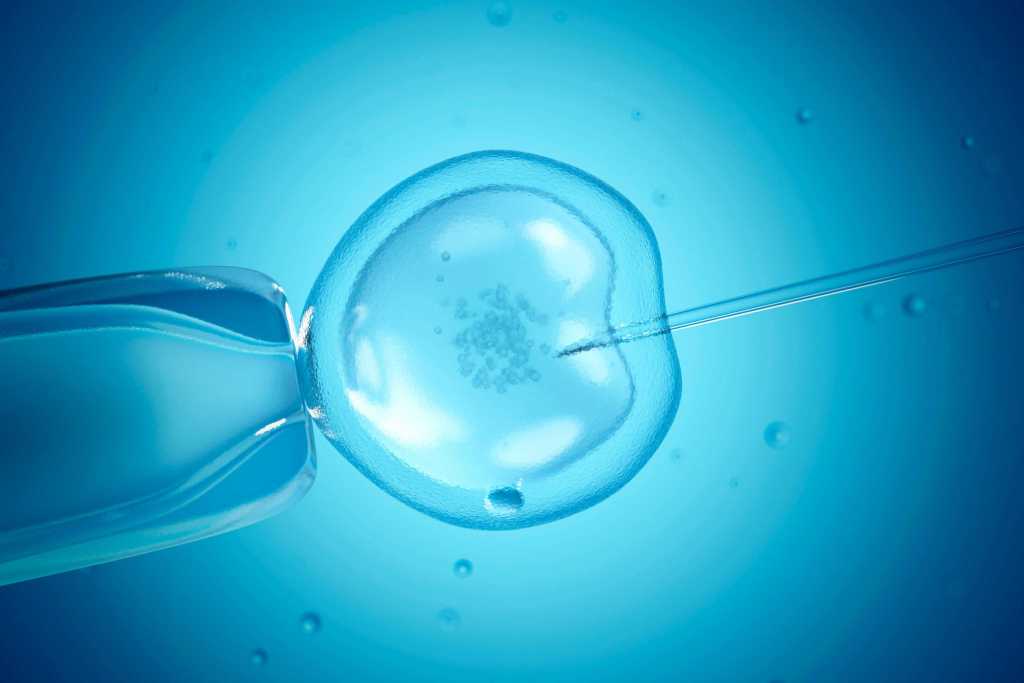
Intrauterine insemination (IUI) is a commonly recommended fertility treatment for individuals or couples who face specific challenges in conceiving naturally. It is often chosen when less invasive interventions are needed before considering more complex treatments like in vitro fertilisation (IVF). Here are the key reasons why IUI might be considered:
1. Male Factor Infertility
Mild male fertility issues, such as low sperm count, reduced sperm motility, or poor sperm quality, can hinder natural conception. IUI improves the chances of fertilisation by directly placing a concentrated and prepared sperm sample into the uterus, increasing the number of sperm that reach the egg. This is particularly helpful when male infertility factors are present but are not severe enough to require IVF.
2. Cervical Problems
Conditions that affect the cervix, such as scarring or issues with cervical mucus, can prevent sperm from reaching the uterus. In some cases, the cervix may not produce the right type of mucus, or it may be too thick, making it difficult for sperm to pass through. IUI bypasses the cervix entirely, ensuring that healthy sperm are directly delivered to the uterus, where they can fertilise the egg.
3. Unexplained Infertility
In cases where infertility cannot be linked to any specific condition, IUI is often the first-line treatment. When there are no identifiable reasons for difficulty in conceiving, IUI can be a less invasive and more affordable approach than IVF. The procedure enhances the chances of conception by improving the sperm’s access to the egg, making it a logical first step in unexplained infertility cases.
4. Ovulatory Disorders
For individuals experiencing irregular ovulation or anovulation (lack of ovulation), IUI can be combined with medications designed to stimulate ovulation. This combination helps to regulate the ovulation cycle and increases the chances of successful conception. IUI can ensure that sperm are introduced at the most fertile time, when ovulation occurs, improving the likelihood of pregnancy.
5. Sexual Dysfunction or Timing Issues
Couples who experience challenges with sexual dysfunction, such as erectile dysfunction or premature ejaculation, or have difficulty coordinating sexual activity due to timing issues, may find IUI beneficial. The controlled environment of IUI allows for precise sperm delivery, eliminating the need for intercourse at a specific time. This can relieve stress and ensure that sperm are available at the optimal moment for fertilisation.
Risks and Considerations of IUI Treatment
While IUI treatment is generally considered safe, it’s important to be aware of the potential risks and limitations involved. Understanding these factors can help you make an informed decision about whether this option is right for your fertility journey.
Risk of Infection
Though rare, there’s a small chance of developing an infection after the IUI procedure. Proper handling and sterile techniques are used to reduce this risk.
Ovarian Hyperstimulation
For those using ovulation-inducing medications, there’s a possibility of an exaggerated response, where the ovaries produce too many eggs. This may result in bloating, abdominal pain, or fluid retention.
Possibility of Multiple Pregnancy
When fertility medication is used alongside IUI, there’s a slightly increased chance of conceiving twins or triplets. While this may seem appealing, multiple pregnancies come with higher risks during pregnancy and birth.
No Guarantee of Success
Despite careful planning and preparation, IUI does not guarantee pregnancy. Age, sperm quality, egg health, and timing all influence success. Some couples may need to explore additional options if IUI is not successful after several cycles.
IUI Treatment Process: Step by Step
The IUI procedure is a straightforward and minimally invasive fertility treatment designed to increase the chances of conception by introducing sperm directly into the uterus. Below is a step-by-step breakdown of the IUI treatment process:
Step 1: Monitoring the Menstrual Cycle
The IUI procedure begins by monitoring the individual’s menstrual cycle to pinpoint the optimal time for ovulation. This is typically done through blood tests and ultrasounds to track hormone levels and follicle development. Accurate timing is crucial to ensure that sperm is introduced at the moment when ovulation is most likely to occur, maximising the chances of successful fertilisation.
Step 2: Ovulation Induction (if required):
For individuals with irregular cycles or those who do not ovulate regularly, ovulation-inducing medications are prescribed. These medications, such as Clomid or injectable hormones, stimulate the ovaries to produce one or more eggs. The goal is to synchronise ovulation with sperm insertion, ensuring that the eggs are ready for fertilisation when the sperm is introduced into the uterus. This step is closely monitored with ultrasounds and blood tests to adjust medication dosages as needed.
Step 3: Sperm Preparation:
Once ovulation is properly timed, the next step is sperm preparation. A sperm sample is collected from the male partner or a sperm donor, and it is then processed in the laboratory. During this step, the sperm is washed to remove impurities, such as dead sperm and seminal fluid, ensuring that only the healthiest sperm are used for the IUI procedure. This increases the chances of successful fertilisation.
Step 4: Sperm Insertion:
The final step of the IUI procedure involves inserting the prepared sperm directly into the uterus using a thin, flexible catheter. This is a quick, generally painless process that does not require sedation. The sperm is placed as close to the fallopian tubes as possible, where the egg is waiting to be fertilised. This procedure bypasses any potential barriers in the reproductive tract, such as cervical mucus, making it easier for the sperm to reach the egg.
What to Prepare for IUI Treatment
Preparing for IUI treatment involves several essential steps to ensure the procedure is as effective as possible. Here’s what you can expect:
Monitoring Ovulation:
The timing of the IUI treatment process is crucial, as the procedure must coincide with ovulation for optimal success. You may use urine-based ovulation predictor kits to detect the surge of luteinising hormone (LH), which signals that ovulation is about to take place. A transvaginal ultrasound may also be conducted to monitor the development of follicles and determine the right time for the procedure. Sometimes, a hormone injection such as human chorionic gonadotropin (HCG) is used to trigger ovulation and optimise timing.
Scheduling the Procedure:
Your doctor will schedule the IUI treatment for one or two days after ovulation is detected. The timing is key to ensure the sperm meets the egg in the fallopian tube. A detailed plan will be provided, outlining when and how the procedure will be conducted.
Preparing the Semen Sample:
The quality of the sperm sample is an important factor in IUI fertility treatment. Your partner may provide a fresh semen sample at the clinic on the day of the procedure. If using donor sperm, a frozen sample will be thawed and prepared in advance.
The semen sample will be processed to separate high-quality, healthy sperm from less active or lower-quality sperm. This process also removes proteins and other elements that could cause adverse reactions in the uterus.
By following these preparation steps, you can optimise the chances of success during your IUI treatment process.
What to Expect from IUI Treatment
1. During the Procedure:
The IUI procedure is generally quick and straightforward, typically lasting around 15 to 20 minutes. During the procedure, a speculum is gently inserted into the vagina to allow the doctor to view the cervix. Using a small, flexible catheter, a prepared semen sample is then placed directly into the uterus. This targeted sperm insertion helps increase the likelihood of fertilisation. Most patients report minimal discomfort, which is often compared to a routine pelvic exam. The procedure is non-invasive and doesn’t usually require sedation, making it a relatively easy option for many individuals and couples.
2. After the Procedure:
After the IUI procedure, some mild cramping or spotting may occur. This is completely normal and usually resolves within a day or so. Patients are encouraged to rest and avoid strenuous physical activity for the first 24 to 48 hours, but they can generally resume normal activities shortly after. There is no need for extended recovery time, and many people feel well enough to return to work or their usual routines right away. It’s important to listen to your body and consult your doctor if you experience any unusual discomfort or symptoms.
3. Follow-Up Testing:
Approximately two weeks after the procedure, a blood test is scheduled to measure hCG (human chorionic gonadotropin) levels and determine if pregnancy has occurred. This follow-up test will help confirm whether the treatment was successful. If the result is positive, an ultrasound will be scheduled to confirm the pregnancy and check for its development.
Start Your Fertility Journey Today
Thinking about IUI fertility treatment or exploring ways to grow your family? We’re here to support you every step of the way. Whether you’re just beginning to explore your options or are ready to take action, our team will guide you through the process with care and clarity.
Let’s take the next step together, one that’s aligned with your goals, lifestyle, and hopes for the future.
Frequently Asked Questions About Intrauterine Insemination (IUI) Fertility Treatment
How effective is IUI in getting pregnant?
The success of IUI treatment varies depending on factors such as age, underlying fertility issues, and sperm quality. On average, success rates range from 10% to 20% per cycle.
How many cycles of IUI should I try before moving to IVF?
If pregnancy is not achieved after three to six cycles of IUI fertility treatment, your specialist may recommend considering IVF for better success rates.
Is there anything I can do to increase my chances of pregnancy with IUI?
Maintaining a healthy lifestyle, monitoring ovulation accurately, and following your specialist’s recommendations can enhance the effectiveness of the IUI treatment process.
How successful is IUI treatment?
The success of IUI treatment varies based on individual circumstances and fertility issues. Factors such as age, the cause of infertility, and overall health play a role in the outcome. Your fertility specialist can provide guidance on what to expect and discuss how IUI fits into your broader fertility treatment plan.
How do I know if IUI is the right choice for me?
Deciding on IUI treatment involves evaluating your specific fertility challenges and discussing options with your fertility specialist. They will help you understand whether IUI is a suitable option based on your situation and guide you through the decision-making process.
How To Identify A Suitable Female Candidate For IUI Treatment?
For successful IUI fertility treatment results, a female candidate should:
1. The Ability to Ovulate
The ideal female candidate has a regular menstrual cycle. If they suffer from ovulation issues, such as PCOS, fertility injections or oral medication will be given to stimulate the ovaries to prepare for the IUI procedure.
2. Unobstructed Fallopian Tubes
The fallopian tubes should be unobstructed to give way for fertilisation. Women with endometriosis or prior infections may carry scar tissue that can obstruct these tubes, hindering egg transport and, by extension, fertilisation.
3. A Healthy Uterus
A healthy uterus is needed to ensure that a fertilised egg can attach itself to the uterus lining and sustain the pregnancy. Infection, hereditary issues, and previous trauma may harm the uterus, making becoming pregnant or carrying the baby difficult. In these circumstances, surgery or surrogacy may be suggested as alternatives to IUI treatment because of its reduced success rate.
How To Identify A Suitable Male Candidate For IUI Treatment?
For successful IUI fertility treatment results, a male candidate should:
1. Ability to Produce Healthy Sperm
For IUI fertility treatment to be effective, the male partner must produce healthy sperm in sufficient quantity. Healthy sperm should be able to swim effectively and have a normal structure. If the sperm quality or quantity is a concern, using donor sperm or exploring IVF with ICSI (Intracytoplasmic Sperm Injection) might be recommended. These alternatives can help you overcome challenges and support your journey towards achieving a successful pregnancy.
2. Good Overall Health
General health and lifestyle factors can influence fertility and treatment success. Maintaining a healthy diet, regular exercise, and avoiding harmful habits like smoking or excessive alcohol consumption can support better sperm health and overall well-being.
Who Should Consider IUI Fertility Treatment?
If you’ve been trying to conceive without success, you may be wondering if IUI treatment is the next step. This option is typically recommended for:
- Couples under 35 who have been trying for a year without success
- Couples over 35 who have been trying for six months or more
- Those facing lifestyle constraints or sexual dysfunction
- Individuals with mild male fertility issues or unexplained infertility
If you’re not ready to conceive but want to preserve your fertility for the future, egg freezing may be worth considering as well. A consultation can help you explore both short- and long-term options to support your family-building goals.
Our Specialist

MBBS (S’pore), M.Med (O&G) (S’pore), FRACOG (Aust), FRCOG (UK), FAMS, Accredited IVF Specialist

MBBS (S’pore), MRCOG (UK), Accredited IVF Specialist

MBBS (UK), MRCOG (UK), Accredited IVF Specialist

MBBS (Singapore), MRCOG (UK), MMed (O&G), Consultant Obstetrician & Gynaecologist Specialist

MBBS (S’pore), MRCOG (UK), MMed (O&G), Accredited IVF Specialist