Bringing a new life into the world is one of the most profound moments a woman can experience, but it can also feel overwhelming, especially for first-time mothers. As you prepare for delivery, crafting a thoughtful birth plan can help ensure your experience aligns with your values and needs.
In this guide, we will prepare you with the essential knowledge to make informed decisions for your birthing journey. We’ll explore various delivery options—such as vaginal birth, C-sections, and water births—discuss how to choose an appropriate clinic and emphasise the importance of building a strong connection with your OBGYN specialist.
By understanding your choices and creating a supportive environment, you can confidently approach this remarkable chapter, making it a positive and memorable experience for you and your baby.

Part 1: Creating Your Birth Plan
A well-thought-out birth plan allows you to approach delivery with clarity and confidence. It serves as a roadmap for you and your healthcare team, paving the way for a smooth and personalised birthing experience. Let’s explore the key elements of crafting a plan that reflects your unique preferences and values.
1.1 Understanding Your Options
A birth plan is a document that communicates your labour and delivery preferences. From choosing the type of delivery to outlining pain management and post-delivery care, it becomes a reference for your healthcare providers, helping them support you in meaningful ways.
Why Having One Matters
Creating a birth plan opens the door for important discussions with your doctor, aligning everyone on your vision for delivery. By clarifying your wishes, you can actively participate in your birthing experience, which may help ease anxiety as you approach labour. For healthcare providers, your plan offers clear guidance during this critical time, allowing them to respond quickly to your needs and preferences.
Overview of Common Childbirth Options
A. Vaginal Birth
This traditional delivery method allows labour to progress naturally, resulting in the baby being born through the birth canal. There are various pain management options available, including pharmacological methods like epidurals and nitrous oxide, as well as non-pharmacological techniques such as hypnobirthing, breathing exercises, and massage. Vaginal births typically come with a shorter recovery time, allowing mothers to start breastfeeding sooner.
B. C-Section (Caesarean Delivery)
A C-section is a surgical procedure where the baby is delivered through an incision made in the abdomen and uterus. This option is often necessary in cases of foetal distress, multiple pregnancies, or if you’ve had a previous C-section. It’s important to discuss the potential risks, such as infection and a longer recovery period, with your doctor to make an informed decision.
C. Water Birth
Water birth is becoming an increasingly popular choice for many expectant mothers. It involves labouring and sometimes delivering in a warm water tub, which many find soothing and effective for pain relief.
Choosing Water Birth as an Option in Singapore
In Singapore, water birth‘s comfort and potential pain relief have made it a sought-after option. However, selecting a clinic with suitable facilities and qualified staff is essential for a safe experience. Look for clinics that have experience with this form of delivery, as they’ll be better equipped to handle any potential complications. It’s also important to discuss any health conditions or pregnancy complications with your doctor, as these may influence your suitability. Confirm how the clinic manages necessary monitoring during the delivery so you’re well-prepared for what to expect, especially if additional care is needed.
1.2 Key Considerations
Your birth plan not only reflects your preferences but also serves as a bridge between you and your healthcare team, helping everyone stay on the same page for a smoother delivery. Discussing key factors with your obstetrician enables you to make informed choices and feel more prepared for the big day.
Factors to Discuss with Your Doctor
Begin with a dedicated consultation to outline your birth preferences. It’s helpful to come prepared with specific questions and choices, and any areas where you seek clarification. This discussion will provide peace of mind, knowing your doctor understands your goals.
-
Medical History
Your medical background plays a crucial role in shaping your birth plan. Share any previous pregnancies or complications, existing health conditions, and any family history of birth issues that could impact your delivery. Understanding these factors allows your doctor to anticipate potential risks and tailor your plan to your needs.
-
Intervention Preferences
Be clear about your preferences regarding possible interventions, such as induction, episiotomy (a small incision to assist delivery), or assisted delivery methods like forceps or vacuum extraction. It’s important to have an open conversation about when these interventions might become necessary, especially in emergencies. This way, you’ll understand the circumstances that may prompt changes to your plan.
Preferences Regarding Pain Management and Support Persons
Discuss your preferences for pain relief during labour. Pain management options include pharmacological methods like epidurals and pain-relief medications, as well as non-pharmacological approaches such as aromatherapy, acupuncture, and movement (walking or rocking). While setting your preferences is good, keep an open mind, as labour can sometimes require adjustments.
Pregnancy Support During Delivery:
Selecting your support team is another essential aspect of your birth plan. Whether it’s your partner, a family member, or a professional doula, having trusted people by your side can be a great source of comfort. Clearly define each person’s role so that everyone knows how to assist you during labour. Additionally, brief your support team on your preferences to make sure they can advocate for you if necessary.
The Importance of Flexibility in the Birth Plan
While having a birth plan can be reassuring, flexibility is crucial for managing the unpredictable nature of childbirth. Here’s why being open to change can benefit both you and your baby:
-
Unpredictable Scenarios:
Childbirth doesn’t always go according to plan. It’s wise to discuss possible scenarios that might arise, such as prolonged labour or the need for a C-section, and how these could affect your birth plan. This preparation can help reduce stress if adjustments become necessary.
-
Communication is Crucial:
Maintain open lines of communication with your doctor and support team throughout labour. If adjustments are needed, understanding your options and discussing them with your healthcare team will help you maintain the sense of control and confidence that your birth plan is meant to provide.
1.3 Engaging with Your OBGYN Specialist
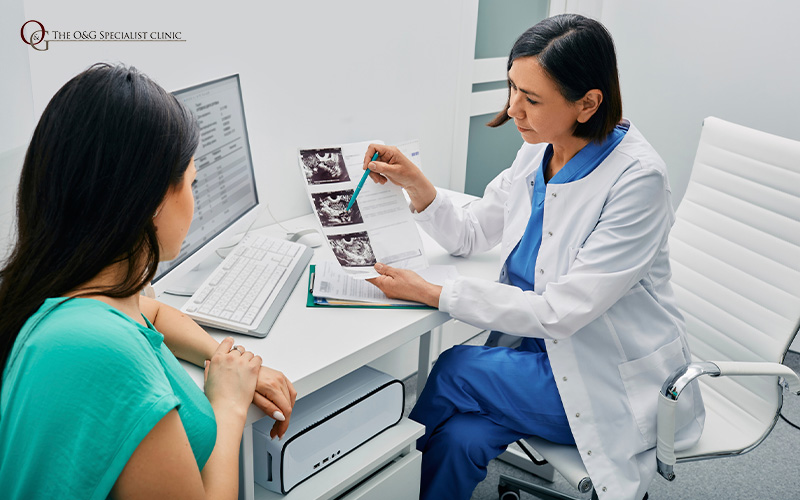
Building a strong relationship with your doctor is essential to feeling prepared and supported throughout your pregnancy. Open communication ensures your birth plan aligns with your healthcare needs, creating a safe and comfortable environment for both you and your baby.
How to Communicate Your Preferences with Your Medical Team
Being well-prepared for each appointment with clear notes about your preferences and questions can make your conversations with your doctor much more productive. Here are some tips for effective engagement:
-
Initial Consultation
At your first appointment, introduce your birth plan and share your goals and any concerns you have. Clearly express your priorities, including your delivery preferences and pain management options, while remaining open to your doctor’s professional insights. This will set a collaborative tone and help your medical team understand your expectations from the very beginning.
-
Active Engagement
Turn your appointments into a two-way conversation. Ask open-ended questions to encourage your doctor to share insights and address any uncertainties you may have. During follow-up visits, revisit your birth plan to ensure it continues to reflect your needs, especially as your health and circumstances evolve. This approach reinforces your involvement and allows your doctor to provide more personalised guidance.
Role of the Obstetrics Clinic in Facilitating a Positive Delivery Experience
A supportive clinic environment can greatly improve your overall experience. Beyond medical care, a compassionate and attentive clinic helps build your confidence in your birthing journey.
-
Resources Available
Many clinics offer resources like childbirth, breastfeeding, and newborn care classes to help prepare you for delivery and early motherhood. Some clinics also provide support groups where you can connect with other expectant mothers, sharing experiences and practical advice that can ease your journey.
-
Staff Engagement
Engaging with the nursing staff and other team members early on can make the delivery process feel less daunting. Building rapport with your healthcare team not only fosters comfort but also reassures you that they are familiar with your preferences. Understanding their experience and approach to labour management helps cultivate trust and reduce any apprehensions you might have about the birthing process.
Understanding the Importance of Regular Check-Ups in Preparation for Delivery
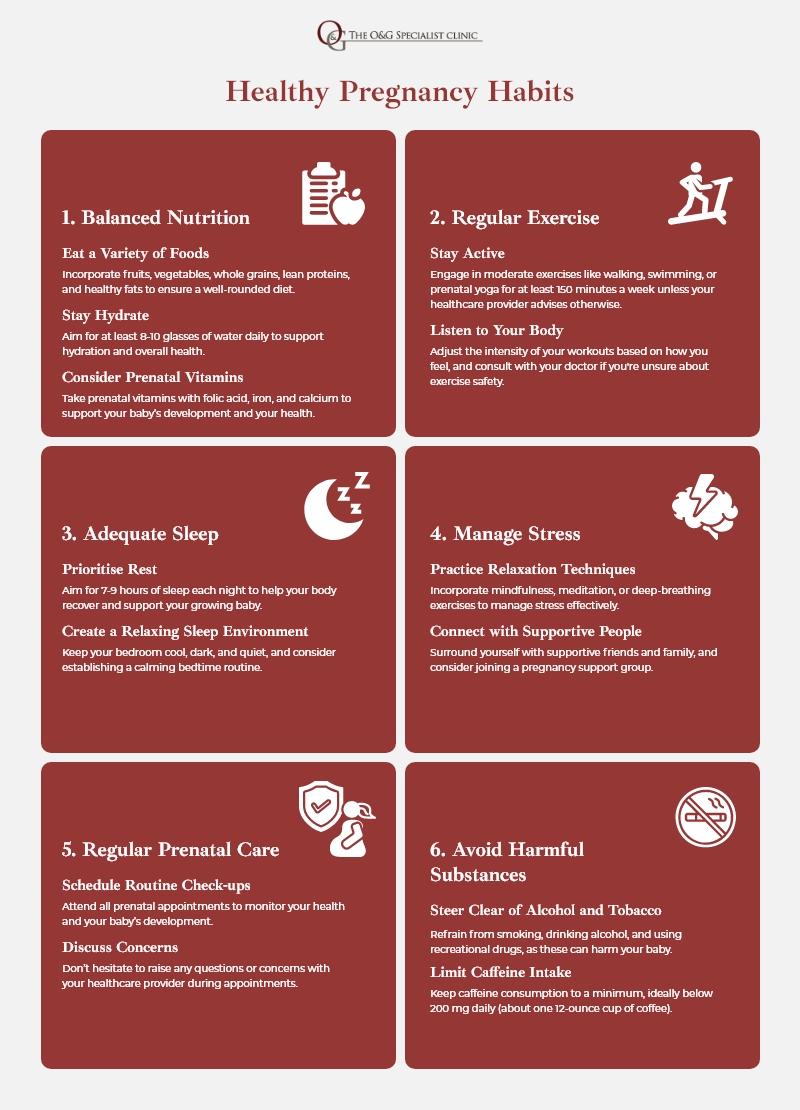
Routine prenatal check-ups are essential milestones. They offer regular updates on your health and your baby’s development and provide an opportunity to revisit and fine-tune your birth plan if necessary.
-
Health Monitoring
Each visit typically involves checks for blood pressure, weight, and other vital signs, along with ultrasound scans and diagnostic tests to monitor foetal development. These checks can give you peace of mind that everything is progressing well while allowing your healthcare team to detect and address any potential complications.
-
Adapting the Birth Plan
As you near your delivery date, use these check-ups to assess whether any adjustments to your plan are needed. For example, changes in foetal positioning or new health considerations may require a shift in approach. Regular discussions during these visits help build a trusting relationship and encourage open dialogue about your needs and expectations.
Part 2: Preparing for Delivery
Preparing for delivery involves more than packing a bag or signing up for classes. By organising your essentials, participating in prenatal classes, and building a solid support network, you’re laying the groundwork for a smoother experience.

2.1 Practical Steps in Preparation
Creating a Checklist for Hospital Bag Essentials
Packing your hospital bag with the right items can significantly enhance your comfort and reduce stress during your stay. Here’s a helpful breakdown:
-
Personal Items
Opt for comfortable clothing that will serve you well during labour and recovery—think loose-fitting nightgowns, a soft robe, and non-slip socks. Don’t forget essential toiletries like a toothbrush, toothpaste, and a hairbrush for those freshening-up moments. Be sure to pack underwear, nursing bras, and breast pads to accommodate any postpartum changes, especially if you plan to breastfeed.
-
For the Baby
Prepare a few baby outfits, including onesies, hats, socks, and a special going-home outfit. Swaddle blankets are perfect for keeping your little one snug. While hospitals typically provide diapers and wipes, bringing along a few extras can be useful. If there’s a comfort item you’d like for the baby, such as a pacifier or a small toy, consider adding it to the bag.
-
For Your Partner or Support Person
Pack snacks, bottled water, and a change of clothes for your partner or support person, as labour can sometimes be lengthy. Don’t forget a camera or a fully charged phone to capture those precious early moments. Keep important documents, like your insurance information and birth plan, in an easily accessible part of the bag for quick reference.
-
Timing
To avoid last-minute panic, have your hospital bag ready by around the 36th week of your pregnancy. This way, you’ll be prepared even if your little one decides to make an early entrance.
Importance of Attending Prenatal Classes (Including Water Birth Classes)
Prenatal classes offer vital knowledge that can boost your confidence and preparedness as you approach delivery. These classes cover a wide range of topics, from labour and pain relief methods to delivery options and newborn care. If you’re considering water delivery, many clinics provide specialised courses that guide you through the process, highlighting its benefits and techniques. These sessions foster a hands-on learning environment where you can practise what you’ve learned and ask any questions.
In addition to theoretical knowledge, these classes equip you with practical skills, such as breathing techniques, labour positions, and relaxation methods that can prove invaluable during delivery. You’ll also have the chance to meet other expectant parents, providing emotional support and reducing feelings of isolation during this transformative time.

Establishing a Support Network of Family and Friends
A reliable support network can bring a sense of security and comfort as you approach your delivery. Talk with your partner about who you’d like to be involved with during labour—this could be family members, friends, or even a doula. It’s helpful to clarify each person’s role: some might offer emotional support, while others can help with practical tasks.
Share your birth plan with your support network to ensure everyone understands your wishes. Designate a primary person who can advocate for your preferences during labour, especially if you’re unable to communicate effectively at the time.
Setting up a group chat or email list can keep your loved ones updated on your journey. Sharing essential updates and details fosters a sense of involvement, even if they can’t be physically present during labour. With these practical steps in place, you’ll feel more prepared for delivery day, equipped with everything you need and supported by a network ready to help.
2.2 Choosing the Right Obstetrics Clinic
Factors to Consider When Selecting an Obstetrics Clinic in Singapore
Finding an obstetrics clinic that aligns with your preferences and requirements can significantly impact your childbirth experience. Consider the following aspects:
-
Location and Accessibility
Opt for a clinic that’s conveniently located near your home. In case of unexpected labour, easy access is crucial, so think about traffic, parking, and public transport options during peak hours.
-
Comprehensive Services
Look for a clinic that provides a full range of obstetric services, including prenatal check-ups, labour support, and postpartum care. If you have specific preferences, like water birth or lactation support, check that these options are available. Many clinics also offer classes, support groups, and follow-up care, which can help you feel more at ease throughout your journey.
-
Reputation and Reviews
It’s comforting to know you’re in good hands, so take time to read online reviews and ask friends or family for recommendations. Their insights can provide a clearer picture of the clinic’s atmosphere, quality of care, and overall patient satisfaction. Pay attention to any common feedback regarding staff professionalism, cleanliness, and how the clinic handles emergencies.
-
Insurance and Costs
Make sure the clinic accepts your insurance plan to avoid unexpected expenses. If you’re self-paying, request a detailed breakdown of fees to ensure it fits your budget. Some clinics may offer bundled packages for various stages of maternity care, which can be a more affordable and organised option.
-
Facilities and Comfort
Familiarise yourself with the clinic’s facilities to ensure they meet your needs. Look for features like birthing suites, private rooms, recovery areas, and amenities like a pantry or waiting room for family members. If privacy or specific comfort options are essential to you, inquire about room availability and any associated costs.
Importance of an OBGYN Specialist’s Credentials and Experience
The right OBGYN is crucial in shaping your delivery experience. Start by checking their credentials. Ensure they are board-certified in obstetrics and gynaecology and pay attention to their training and certifications related to their services. Strong qualifications typically reflect a commitment to high standards in maternity care.
It’s also important to discuss their experience with various delivery methods, especially if you have specific preferences like natural or c-section. Knowing that your OBGYN has a diverse background in different birthing options can provide peace of mind, assuring you they are ready for any situation that may arise.
Each specialist has a different philosophy about childbirth and medical interventions, so it’s vital to find one who aligns with your values. Don’t hesitate to ask about their views on pain management, natural births, and how they handle complications. It’s essential that they support your birth plan and respect your preferences, creating an atmosphere where you feel empowered and listened to throughout the process.
Visiting the Clinic for a Tour and to Meet the Staff
A clinic tour can give you valuable insights into what your birthing experience may be like, allowing you to assess comfort, available resources, and the dynamics of the team. Most clinics offer these tours, so it’s worth scheduling one to get a firsthand look at the environment. During the tour, you’ll have the chance to explore the layout, check out the birthing and recovery rooms, and get a feel for the overall atmosphere.
Make it a point to introduce yourself to the nursing staff, midwives, and other healthcare professionals who will be part of your delivery team. Building a rapport with them can help ease your nerves, making the delivery day more comfortable as you’ll be greeted by familiar faces.
As you tour the facility, pay attention to how the staff communicates and responds to your questions. An approachable, kind, and respectful team can greatly enhance your experience and help you feel relaxed and secure.
Finally, use this opportunity to inquire about the clinic’s policies, such as visiting hours, pain management options, and emergency protocols. Knowing how the clinic operates and handles different situations can empower you and boost your confidence in its care.

2.3 What to Expect During Delivery
Understanding the delivery process can ease your anxiety and help you feel more prepared for the journey ahead. Each delivery stage brings unique changes to your body and the progression of labour. Here’s what you can expect:
Labour Preparation
-
Early Labour:
This is the initial phase of labour when your body starts gearing up for delivery. Contractions may feel mild and irregular, lasting between 30 to 60 seconds. Early labour can last anywhere from a few hours to several days. During this time, focus on staying comfortable and conserving your energy. If possible, staying at home can offer a sense of security, allowing you to rest and practise relaxation techniques like breathing exercises or gentle movements.
-
Active Labour:
As you move into active labour, contractions will become more frequent and intense, typically occurring every 3 to 5 minutes and lasting about 60 seconds. This stage can be challenging, so it’s generally a good idea to head to the hospital or clinic as labour progresses. The duration can vary greatly, ranging from a few hours to more than eight hours. Keeping an open line of communication with your healthcare providers and support team is crucial during this time, ensuring you feel supported and informed about your options.
-
Delivery:
Delivery is the moment when you actively push your baby into the world. The length of time spent pushing can vary significantly, from just a few minutes to several hours. During this critical stage, it’s vital to maintain close communication with your support team. They can help keep you focused and encourage you through each contraction. Your healthcare providers will guide you, offering advice on pushing techniques and monitoring your baby’s progress.
-
Delivery of the Placenta:
Once your baby is born, the placenta will be expelled, usually within 5 to 30 minutes. Medical staff will closely monitor this process for complications, ensuring you and your baby remain safe. After delivery, skin-to-skin contact with your newborn is often encouraged. This intimate moment fosters bonding and helps initiate breastfeeding, creating essential early interactions for both mother and baby.
Preparing for Potential Complications and How the Clinic Supports Mothers
While many deliveries go smoothly, it’s wise to be aware of potential complications that may arise. Challenges such as foetal distress, prolonged labour, or the need for emergency C-sections can happen. Knowing these possibilities exist can empower you and help reduce anxiety. OBGYN clinics will have protocols to manage emergencies and be staffed with experienced professionals trained to respond swiftly and effectively.
Throughout the labour process, clinic staff will closely monitor both your health and your baby’s. Their primary focus is your safety and well-being, and they will adjust your care as needed. If complications do arise, being open to modifications in your birth plan is important; your healthcare team will prioritise safety while respecting your wishes whenever possible.
Complications can be distressing for you and your support team. Ensure your partner or support persons are ready to provide comfort and advocacy during challenging moments. Many clinics also offer mental health support post-delivery, helping you navigate any feelings of anxiety or disappointment that may arise from unexpected situations.
Understanding Postpartum Care and Support from the Clinic
After delivery, your journey continues with the necessary postpartum care and support to help you recover and transition into parenthood. Schedule postpartum visits to monitor your recovery and address any physical or emotional concerns. These appointments are vital for discussing symptoms or complications you may experience, such as postpartum depression or healing issues. Your healthcare provider will guide you in monitoring your health, ensuring you feel supported during this adjustment period.
Many clinics also provide lactation consulting services to assist new mothers facing breastfeeding challenges. Whether you have difficulty latching, concerns about milk supply, or simply need advice on feeding practices, these resources can be incredibly beneficial. Access to trained lactation consultants can empower you to feel confident in your breastfeeding journey.
Don’t hesitate to inquire about additional resources available through the clinic, such as support groups for new parents or mental health services. Connecting with other new parents can create a valuable support network. Additionally, your clinic may offer educational materials to help guide you through the transition into parenthood, covering topics like infant care, sleep strategies, and more.

Questions You Might Have
We understand that this is a significant time in your life, and we’re here to provide the information you need to feel more prepared and at ease. Here are some answers to common questions you might have about labour and delivery.
1. What should I do if I enter labour before my due date?
If you suspect you’re going into labour before your due date, the first step is to contact your doctor or the clinic. They can advise you on whether to head to the hospital based on the timing and intensity of your contractions. Keep your hospital bag packed and ready to go, and make sure your support person is informed and prepared to assist. It’s also helpful to have a plan for transportation to the hospital and to know which route to take to avoid traffic delays.
2. How can I prepare for a potential C-section delivery?
Preparing for a C-section involves understanding the procedure and discussing it with your specialist. Familiarise yourself with what to expect during and after the surgery, including the recovery process. Consider making arrangements for support at home, as recovery from a C-section can take longer than a vaginal birth. Pack items that will help you during recovery, such as comfortable clothing, and discuss pain management options with your healthcare team.
3. What are the signs of preterm labour, and when should I seek help?
Preterm labour can occur before 37 weeks of pregnancy and may include symptoms such as regular contractions, lower back pain, pelvic pressure, or a change in vaginal discharge. If you experience any of these signs, it’s essential to contact your medical team immediately. They can provide guidance and determine whether you need to go to the hospital for further evaluation and care.

Preparing for delivery is an exciting milestone on your journey to motherhood. By familiarising yourself with your options, engaging with your OBGYN, and crafting a personalised birth plan, you can approach this life-changing event with confidence. Keep in mind that flexibility is essential; each delivery experience is unique, and being open to adjustments can make the process feel smoother. With the right information and support, you can ensure that your experience aligns with your preferences and needs.
At The O&G Specialist Clinic, we’re committed to providing compassionate care and guidance throughout your pregnancy and delivery journey. Our specialists are here to answer your questions, support your choices, and help ensure that you have an optimal experience as you welcome your little one into the world.
If you’re ready to start planning for your delivery or have questions about your birth options, we invite you to reach out to us today and learn how we can support you throughout parenthood.