Key Takeaways:
- Pelvic pain can have a wide range of causes, from menstrual changes to more complex health conditions involving reproductive or nearby organs.
- Symptoms such as timing, intensity, and associated signs like bleeding or fever can offer important clues about the underlying issue.
- The timing of the pain can offer useful clues, such as whether it occurs before menstruation, during a period, after intercourse, during urination, or alongside bowel movements.
- Associated symptoms such as unusual bleeding, fever, nausea, dizziness, abnormal discharge, urinary symptoms, or changes in bowel habits may point to a condition that needs medical review.
- A thorough medical assessment may involve physical examination, imaging, lab tests, or minimally invasive procedures to clarify the source of pain.
- Early attention to recurring or severe discomfort can support overall well-being and reduce the risk of long-term health complications.
Introduction
Pelvic pain is a common experience for many women at various stages of life, from the teenage years to later adulthood. For some, it may be a familiar sensation that comes and goes with menstruation or ovulation. Often, this type of pain is short-lived and does not warrant concern.
However, when the discomfort becomes more intense, lingers for longer than expected, or starts to affect daily routines, it may indicate an underlying concern that deserves closer attention. Understanding how and when the pain appears can provide important insight into what might be happening.
In this article, we will take a closer look at what ongoing or severe pelvic pain might mean, the range of possible causes, and how a healthcare provider may approach assessment and care. By recognising patterns and listening to what your body is trying to communicate, you can take the first step towards clarity and support.
What Could Be Causing Pelvic Pain?
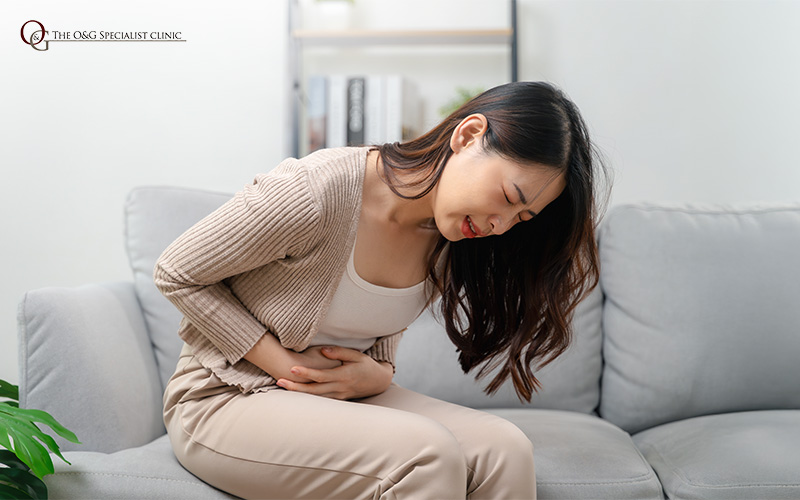
It can be worrying to experience pain in the lower abdomen, especially when the cause is unclear. For some, it may be something familiar and short-lived. For others, it can come without warning or linger longer than expected.
Pelvic pain can arise from various sources, including the menstrual cycle, reproductive organs, bladder, bowel, or supporting muscles. Below are some of the more common causes and how they might manifest, helping you make sense of what your body may be trying to tell you.
How the Menstrual Cycle Can Contribute to Pelvic Pain
For many individuals, lower abdominal discomfort is a regular part of their cycle. It may feel like cramping, aching, or a heavy sensation, especially in the days leading up to or during menstruation. Often, this is a normal response to hormonal changes and does not suggest a serious problem.
One common cause is primary dysmenorrhoea, which refers to period pain not linked to an underlying medical condition. It typically begins in the teen years and may become milder over time or after childbirth. Although it is common, it can still interfere with day-to-day activities for some individuals.
Some people also experience ovulation pain, known as mittelschmerz. This tends to occur mid-cycle and may feel like a sudden, sharp twinge on one side of the lower abdomen. Though usually short-lived, it can be surprising or uncomfortable when it happens for the first time.
However, there are times when pelvic pain related to your cycle may signal a deeper issue. Conditions such as the following may cause more intense or long-lasting symptoms:
- Endometriosis: A condition where tissue similar to the lining of the uterus grows outside of it. This may lead to pain before and during menstruation and, in some cases, discomfort during other times of the month as well.
- Adenomyosis: When tissue from the uterine lining grows into the muscle of the uterus, it can cause heavy bleeding and persistent discomfort throughout the cycle.
If your period pain feels more intense than what you’ve experienced before, lasts longer, or starts to interfere with your daily life, it’s crucial to know that support is available. You do not need to wait for things to get worse. Recognising the pattern and speaking to your healthcare provider can be the first step toward clarity and relief.
When the Discomfort Involves the Reproductive Organs
Not all pelvic pain is linked to the menstrual cycle. Sometimes, it may be related to conditions affecting the uterus, ovaries, or fallopian tubes. The way these conditions manifest can vary; for some, the discomfort may be mild and occasional, while others may experience more persistent or sudden pain that begins to interfere with their daily life.
Some common causes include:
Ovarian cysts: These are fluid-filled sacs that often form as part of the menstrual cycle. Many cysts are harmless and go away on their own without treatment. However, when a cyst becomes larger or ruptures, it can cause more significant discomfort. If you’re experiencing symptoms that may suggest a ruptured ovarian cyst, it’s a good idea to seek medical attention early.
Fibroids: These are non-cancerous growths that develop in or around the uterus. They may cause pressure, prolonged periods, or a sense of heaviness in the pelvic area. In cases where fibroids start to affect comfort or well-being, a fibroid operation may be considered as part of the care plan.
Pelvic inflammatory disease (PID): This is an infection that can affect the reproductive organs. It may occur after a sexually transmitted infection or certain types of procedures involving the uterus. Symptoms can include pain, fever, and unusual discharge. Left untreated, PID can sometimes lead to longer-term complications, including those that affect fertility.
In more urgent situations, the cause of pelvic pain may be:
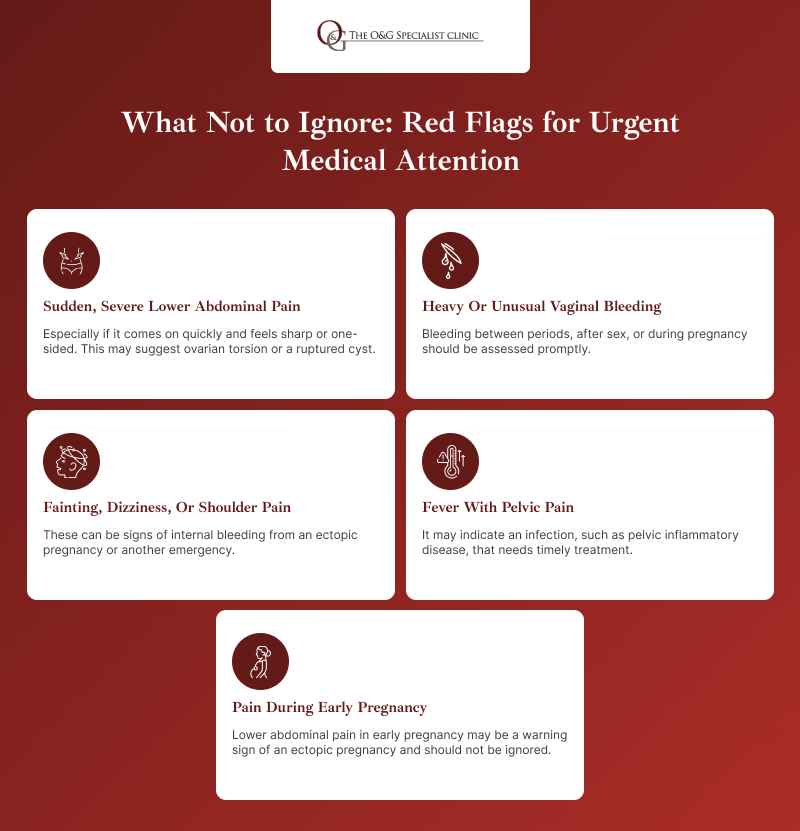
Ectopic pregnancy: This happens when a fertilised egg implants outside the womb, often in a fallopian tube. It can cause sharp, one-sided pain and may be accompanied by light bleeding or dizziness. This condition requires immediate medical attention.
Ovarian torsion: A rare but serious issue where the ovary twists and restricts its own blood supply. This often presents as sudden, severe pain and may be accompanied by nausea or vomiting. Like an ectopic pregnancy, it is considered a medical emergency.
Every person’s experience is different, and the same condition may feel very different depending on one’s health history and circumstances. If you’re unsure what the discomfort could mean, speaking with an OB/GYN specialist can help clarify the next steps and provide reassurance or guidance as needed.
Other Possible Causes of Pelvic Discomfort
Pelvic pain is not always related to the reproductive system. In some cases, it may be linked to nearby organs or tissues that share the same space in the lower abdomen. This includes the bladder, digestive tract, and musculoskeletal structures that support the pelvis. When the pain feels deep or is difficult to describe, these sources can sometimes be overlooked or misdiagnosed as something else.
Possible non-gynaecological sources include:
- Bladder-related conditions: Ongoing bladder irritation, such as in interstitial cystitis, can lead to frequent urination and pelvic discomfort. A urinary tract infection (UTI) may also cause pain in the lower abdomen, particularly if the infection becomes more severe.
- Bowel issues: Digestive concerns like constipation, irritable bowel syndrome (IBS), or inflammatory bowel disease (IBD) can create cramping, bloating, or pressure that feels similar to lower abdominal pain.
- Musculoskeletal pain: Tension or strain in the pelvic floor, hip joints, or surrounding ligaments can contribute to a deep, aching sensation. This may worsen with certain movements or prolonged periods of sitting.
In some cases, discomfort in the pelvis may come from another area, such as the lower back or abdominal muscles. Known as referred pain, this can make it more challenging to identify the exact cause without a comprehensive assessment.
If the discomfort persists or doesn’t improve with time, it may be helpful to consult a specialist for a more in-depth evaluation.

Navigating Diagnosis and Treatment Options
When pelvic pain becomes persistent or starts to impact daily life, knowing what to expect during a medical visit can help ease uncertainty. The process is usually tailored to your symptoms, medical history, and any clues gathered through examination or testing. Seeking care early may not only offer relief but also help detect any underlying conditions that could impact your reproductive or overall health.
What to Expect During an Assessment
Evaluation often begins with a conversation about your symptoms. Your doctor may ask when the pelvic pain began, how it has changed over time, and what patterns you may have noticed.
They may explore areas such as:
- The nature, intensity, and duration of the pain
- Whether it seems connected to your menstrual cycle, bowel or bladder habits, or physical activity
- Any additional symptoms, such as bloating, irregular bleeding, fever, or urinary changes
A physical examination may follow, which can include both abdominal and pelvic checks to assess for tenderness, swelling, or other signs. If needed, swabs may be taken to screen for infections, especially if there is a history of discharge or previous pelvic infections.
If further clarity is needed, your doctor may suggest additional tests, such as:
- Ultrasound imaging to visualise the uterus, ovaries, and surrounding areas. This can help detect issues such as fibroids, ovarian cysts, or inflammation.
- Blood tests to check for signs of infection, hormone changes, or other contributing factors.
- Diagnostic laparoscopy, a minimally invasive procedure that allows a direct look inside the pelvis. This is sometimes used when non-invasive tests do not explain the pain, and it may confirm conditions such as endometriosis or pelvic adhesions.
A consultation with a specialist can provide guidance, reassurance, and a personalised plan to move forward.
Managing and Relieving Pelvic Pain
Once the likely cause of pelvic pain has been identified, treatment can be tailored to meet your needs. For some, simple changes or short-term medication may be enough. For others, a combination of medical and supportive care may be more effective.
Common medical options for pelvic pain include:
- Anti-inflammatory medications to reduce pain and ease inflammation, particularly for menstrual or inflammatory-related discomfort
- Hormonal treatments to help regulate or suppress the menstrual cycle, especially in conditions like endometriosis or adenomyosis
- Antibiotics to treat infections such as pelvic inflammatory disease and prevent complications
Alongside medical treatment, supportive therapies may help reduce pelvic pain symptoms and improve quality of life:
- Pelvic floor physiotherapy, useful for pain linked to muscle tension or nerve sensitivity
- Heat therapy and gentle lifestyle adjustments, such as applying warmth to the lower abdomen, adapting exercise routines, or reviewing dietary habits
- Emotional and mental health support, which can be especially important when pelvic pain affects sleep, relationships, or fertility planning
If symptoms do not improve or if a structural condition requires attention, surgical options may be considered. Minimally invasive procedures, such as laparoscopy, can be used for both diagnostic and therapeutic purposes. This may include the removal of fibroids or endometriosis tissue, depending on the findings. Your specialist will walk you through the options, including what to expect during recovery.

Frequently Asked Questions About Pelvic Pain
Experiencing pelvic pain often brings up personal questions and uncertainties. If you’re wondering what your symptoms could mean or when to seek support, you’re not alone. Here are some common concerns raised by individuals navigating similar experiences:
1. Is pelvic pain normal?
Some level of discomfort is expected during ovulation or menstruation. However, if the pain starts to interfere with your daily life or happens outside of your usual cycle, it may be a sign that something else is going on. It’s worth discussing with a doctor, especially if the discomfort is recurring or intensifying.
2. Can pelvic pain affect fertility?
That depends on the underlying cause. Conditions such as endometriosis, pelvic inflammatory disease, or ongoing issues with the ovaries can sometimes affect reproductive health. Identifying these conditions early may help preserve fertility and guide appropriate treatment, particularly for those planning to conceive.
3. When should I see a doctor?
It’s a good idea to seek medical advice if the discomfort persists, worsens over time, or is accompanied by other symptoms, such as unusual bleeding, pain during urination, changes in bowel habits, or fever. If you’re feeling uncertain, making an appointment at a gynae clinic in Singapore can provide clarity and reassurance about what may be going on.
4. Do I need to go to the hospital if the pain is sudden and sharp?
Yes. Sudden, severe pelvic pain, especially if it occurs on one side or comes with nausea, could point to an urgent issue such as ovarian torsion or ectopic pregnancy. Recognising the symptoms of a ruptured ovarian cyst can also help you know when to seek immediate care.
5. What if all my test results are expected, but I still have pain?
It’s possible to have ongoing discomfort even when imaging and lab results don’t show a clear cause. In some cases, pelvic pain may be related to muscle tension, nerve sensitivity, or lingering inflammation. These concerns are valid and can still be addressed through approaches like physiotherapy or ongoing care with a specialist. Keeping track of your symptoms can also help guide treatment.
6. Can pelvic pain be linked to difficulty getting pregnant?
Yes, pelvic pain can sometimes be linked to conditions that may affect fertility, depending on the underlying cause. Conditions such as endometriosis, pelvic inflammatory disease, or ovarian-related concerns may require further assessment, especially if you are trying to conceive. Visiting a fertility clinic can help clarify whether your symptoms may be connected to reproductive health.
7. What tests may be needed if pelvic pain is affecting fertility?
The tests needed depend on your symptoms, cycle history, and reproductive goals. A doctor may recommend a pelvic examination, ultrasound scan, blood tests, or further investigations to check for conditions that could affect the uterus, ovaries, fallopian tubes, or surrounding pelvic structures. If fertility is a concern, further assessment may help guide suitable options, including fertility treatment in Singapore.

Conclusion
Pelvic pain can be challenging to navigate, especially when its cause isn’t immediately apparent. In some situations, it may pass quickly; in others, it may indicate a condition that warrants closer attention. Noticing when the discomfort appears and how it changes over time can offer valuable insight.
Reaching out to a healthcare provider can make the next steps feel more manageable. Timely care not only helps ease symptoms but also supports your overall reproductive and general well-being.
If pelvic pain is starting to affect your day-to-day life, The O&G Specialist Clinic provides thorough evaluation and personalised care in a respectful, supportive environment.
Book a consultation today to explore the support available to you.