Key Takeaways:
- Repeated miscarriage can be linked to a range of causes, including genetic differences, hormonal changes, structural conditions within the uterus, immune disorders, and long-term health conditions.
- A variety of tests, including genetic screening, hormonal assessments, imaging studies, and advanced sperm analysis, can help identify possible factors contributing to repeated losses.
- Treatment plans may include tailored medical approaches, surgery where needed, lifestyle adjustments and additional techniques during assisted conception to improve the chance of a successful pregnancy.
- Emotional support through counselling, support groups, and open communication with healthcare professionals and loved ones can play an essential role alongside medical care.
Introduction
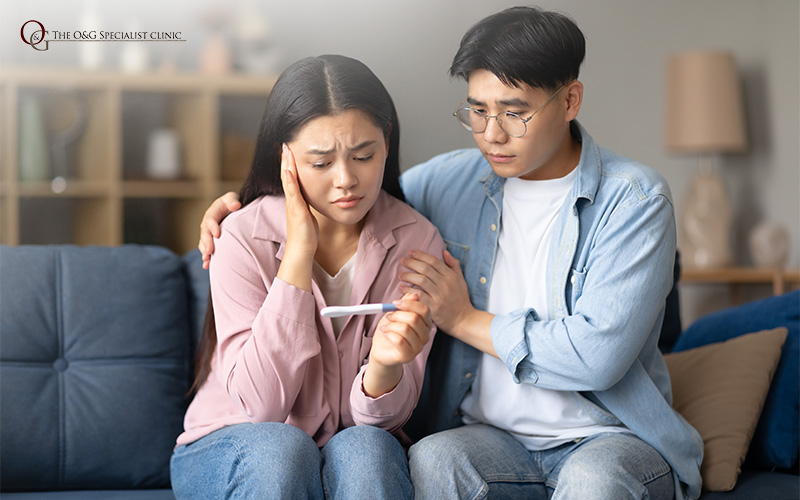
Recurrent pregnancy loss can be one of the most difficult experiences for those trying to conceive. It is generally defined as having two or more miscarriages in a row. For couples who have already undergone fertility treatments, repeated losses can feel particularly disheartening. While it can feel overwhelming, learning more about why these miscarriages happen and the types of support available can help guide the next steps with more clarity.
What Can Cause Recurrent Pregnancy Loss?
There are several reasons why repeated miscarriage may occur. In some situations, a single factor can be identified, while in others, it may involve a combination of different issues.
Genetic or Chromosomal Differences in Embryos
Many early miscarriages are linked to genetic differences in the embryo. In Singapore, treatments such as in‑vitro fertilisation (IVF) with preimplantation genetic testing can be used to examine embryos for chromosomal patterns before transfer.
Hormonal Changes That Affect Pregnancy
Hormonal imbalances, such as thyroid conditions, polycystic ovary syndrome (PCOS), or problems with the luteal phase, can affect implantation. These are often reviewed and managed as part of the care offered at a fertility clinic for couples who are experiencing difficulties conceiving.
Conditions Within the Uterus
Structural differences, such as a septate uterus, fibroids, or scar tissue, can make it harder for an embryo to implant and develop. In some cases, surgery may be considered before or during fertility treatment to address these factors.
Clotting and Immune-Related Conditions
Clotting disorders and immune conditions, including antiphospholipid syndrome, can affect blood flow to the placenta. Tests for these conditions are commonly included when investigating repeated losses.
Maternal Health Conditions
Long‑term health concerns, such as diabetes or autoimmune conditions, may increase the likelihood of miscarriage. Stabilising and managing these conditions can form an important part of planning for a healthy pregnancy.
What Types of Tests Can Help Identify the Cause?
Diagnostic tests can offer helpful insight into why recurrent pregnancy loss occurs. Depending on each individual situation, these assessments may include:
A. Genetic Screening for Both Partners
Karyotyping can detect inherited chromosomal variations that may increase the chance of miscarriage. Where such changes are found, options such as IVF with preimplantation genetic testing may be suggested.
B. Hormonal and Immune Assessments
Blood tests can help to identify issues such as thyroid conditions, insulin resistance or immune system activity that may affect the early stages of pregnancy.
C. Imaging Tests to Assess the Uterus
Ultrasound scans, a sonohysterogram, or a hysteroscopy may be used to examine the uterus for fibroids, adhesions, or other structural abnormalities.
D. Tests for Uterine Receptivity
For those undergoing fertility treatment, an endometrial receptivity test can be used to determine the most suitable timing for an embryo transfer.
E. Sperm DNA Fragmentation Testing
When fertility treatment has not been successful, a sperm DNA fragmentation test may be recommended to check for damage in sperm DNA that could contribute to early miscarriage.
What Are the Options for Supporting Future Pregnancies?
Once testing has been completed, an individualised plan can be created based on the findings. Approaches may include one or more of the following:
-
Adjustments in Fertility Treatment Protocols
Treatment plans can be adapted to include genetic testing of embryos or to adjust medications so that early pregnancy is supported as effectively as possible.
-
Medication and Hormonal Support
Low‑dose aspirin, heparin, or progesterone may be used in certain situations to help support early pregnancy.
-
Corrective Procedures for the Uterus
Surgery may be recommended to treat fibroids, polyps, or a uterine septum, with the aim of creating a more suitable environment for implantation.
-
Lifestyle and Nutritional Considerations
Making changes such as maintaining a healthy weight, stopping smoking, and addressing stress levels can be helpful both before and during fertility treatment.
-
Additional Techniques During Fertility Treatment
In some cases, procedures such as assisted hatching or endometrial receptivity analysis may be considered to help improve the likelihood of successful implantation.

How Can Emotional Support Make a Difference?
Emotional well-being plays an integral role alongside medical care when coping with recurrent pregnancy loss. Support can take many forms:
1. Counselling and Psychological Support
Speaking with a counsellor or therapist can provide a safe space to process the emotions that follow miscarriage and fertility treatment.
2. Support Groups and Shared Experiences
Joining a group of others who have experienced similar losses can help alleviate feelings of isolation and provide understanding from people who have had a similar experience.
3. A Collaborative Approach with Fertility Specialists
Regular discussions with specialists can help couples stay informed and involved in decisions about their care. Open communication during appointments can also make the process feel more supported.
4. Mind-Body Strategies
Practices such as gentle movement, mindfulness, or breathing exercises may help manage stress and bring a sense of balance during this time.
5. Talking With Loved Ones
Sharing feelings with a partner, trusted friends, or family members can help make difficult moments feel less overwhelming and strengthen emotional connection during the journey.
When Should You Seek Further Support?
Many individuals decide to seek help from a fertility clinic after experiencing more than one pregnancy loss. It may also be helpful to speak with a specialist if attempts at an IUI procedure have not been successful without an apparent reason, or when there are concerns about genetic factors or existing health conditions that could influence future pregnancies.

Conclusion
Recurrent pregnancy loss can be a complex and deeply personal experience. While the causes can vary, thoughtful assessment, treatment planning, and emotional support can make a difference in determining the next steps. Speaking with a fertility clinic can provide clearer guidance and help shape a plan that considers both medical and emotional needs.
At The O&G Specialist Clinic in Singapore, support is available for individuals and couples facing concerns related to miscarriage, fertility assessments and reproductive health.
If repeated miscarriages have affected you and you would like to understand the options available, please arrange a consultation with us to discuss which approaches might be suitable for your situation.